
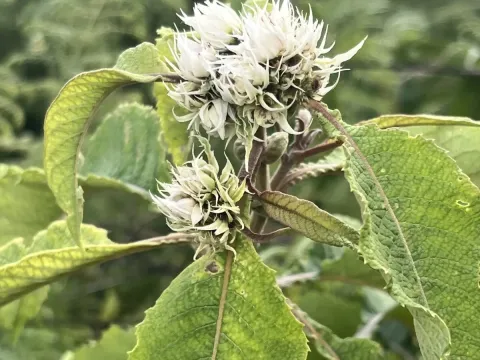
Baccharoides
Baccharoides
Baccharoides is a genus within the Asteraceae family, formerly integrated into the Vernonia genus. It is primarily characterized as a perennial herb or subshrub native to tropical regions of Africa and Asia, where it thrives in diverse environments ranging from savannas to disturbed lands.
What the section contains


Baccharoides
The cultivation of this crop requires well-drained, fertile soil with a balanced nutrient profile. Soils with heavy clay content are generally unsuitable unless amended to improve drainage, as the root system is highly sensitive to waterlogging and subsequent hypoxia.
Climate requirements for Baccharoides involve consistent warmth and moderate moisture levels. Optimal development is observed in tropical climates where temperatures range from 20 to 30 degrees Celsius, although some species demonstrate moderate adaptability to varied altitudes.
Regarding agrotechnology, the plant benefits from regular inter-row cultivation to ensure adequate soil aeration. Fertilizer application should focus on a balanced ratio of nitrogen, phosphorus, and potassium to support biomass production, especially if grown for medicinal extracts.
The economic value of Baccharoides stems from its secondary metabolites, particularly in the pharmaceutical and cosmetic industries. Traditional applications often utilize leaf extracts for their therapeutic properties, which include anti-inflammatory and antiseptic activities.
Fungal infections remain the primary threat to Baccharoides crops, particularly under high humidity conditions. Powdery mildew is the most common foliar disease, capable of significantly reducing the photosynthetic efficiency and overall quality of the harvested biomass.
Insect pests, specifically aphids and whiteflies, pose a constant challenge to commercial cultivation. These pests directly extract plant sap and serve as vectors for various plant viruses, which can lead to rapid decline in field productivity.
Root rot pathogens, such as species of Fusarium or Pythium, are significant risks in poorly managed fields. Strict crop rotation cycles are recommended to break the life cycle of these soil-borne pathogens and maintain soil health.
Weed control is critical during the early stages of plant establishment. As Baccharoides grows, its canopy becomes denser, naturally suppressing lower-growing weeds, but early competition for sunlight and nutrients can drastically stunt growth.
Integrated pest management (IPM) strategies, including the use of biological control agents and resistant cultivars, are essential to minimize chemical inputs while ensuring high-quality yield for sensitive medicinal markets.