
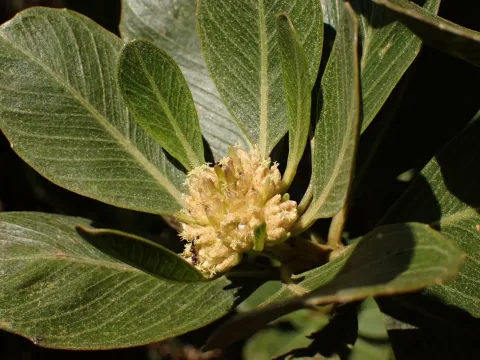
Baccharis platypoda
Baccharis platypoda
Baccharis platypoda is a member of the Asteraceae family, typically characterized by its evergreen shrubby growth habit. Originating from South America, this plant has adapted to diverse environments, ranging from coastal plains to inland temperate regions.
What the section contains
Baccharis platypoda
The crop thrives in locations with full sun exposure, as light is a critical factor for structural development and foliage density. Proper site selection should prioritize areas with good air circulation to prevent micro-climates that favor pathogen growth.
Soil requirements focus on well-drained conditions. Baccharis platypoda performs best in soils with a neutral pH, though it shows significant tolerance for variations in nutrient availability. Heavy, clay-based soils should be amended to improve permeability.
Climatic requirements involve moderate to warm temperatures throughout the growing season. While the species demonstrates resilience, protection from severe winter frost is recommended for younger plants to ensure survival and consistent growth rates in cooler zones.
Agrotechnical practices include consistent irrigation during the establishment phase and supplemental fertilizing during spring. Pruning is essential to maintain plant vigor and encourage the development of robust, secondary branching which enhances the overall canopy health.
The primary biological threats to Baccharis platypoda include fungal pathogens that thrive under high humidity conditions. Powdery mildew is a frequent concern, causing stunted development and foliage discoloration, requiring targeted fungicidal intervention.
Invertebrate pests such as scale insects and spider mites present significant challenges to crop quality. These pests often congregate on the undersides of leaves or along succulent stems, extracting sap and weakening the plant's physiological defense mechanisms.
Root rot, often associated with soil-borne fungi like Phytophthora or Pythium, occurs if moisture management is poorly controlled. Minimizing soil compaction and ensuring rapid drainage are essential strategies for mitigating the impact of these silent killers.
Effective pest management relies on early detection via systematic field monitoring. Regular scouting enables the application of treatments at the initial stage of an outbreak, preventing the need for broad-spectrum chemical use later in the season.
Sanitation practices play a vital role in disease prevention. Removing and safely destroying necrotic plant tissue or debris from the field significantly reduces the inoculum potential and helps maintain a healthy growing environment for the next cycle.