
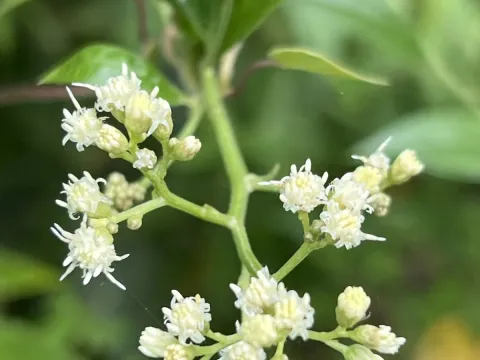
Baccharis trinervis
Baccharis trinervis
Baccharis trinervis is a perennial semi-shrub belonging to the Asteraceae family. Originating from the tropical landscapes of Central and South America, it is distinguished by its characteristic leaves featuring three prominent longitudinal veins, which define its species name.
What the section contains
Baccharis trinervis
The crop thrives in tropical and subtropical climates, necessitating consistent warm temperatures and protection from frost. It prefers locations with bright, diffused light and high humidity levels, mirroring its native forest edge ecosystems where it competes for space and sunlight.
Soil requirements for Baccharis trinervis involve well-draining, nutrient-rich substrates. While it adapts to various soil types, it performs best in loamy soils with a slightly acidic to neutral pH. Proper soil aeration is critical to prevent root suffocation and promote healthy leaf production.
Economically, this plant is primarily cultivated for its medicinal properties. Extracts derived from its foliage are utilized in traditional and modern herbal medicine for their therapeutic effects, including anti-inflammatory and antiseptic activities, driving demand in the pharmaceutical sector.
Agrotechnical practices focus on propagation via cuttings to maintain genetic consistency. Maintenance includes regular pruning to stimulate the growth of new, high-quality vegetative mass, which constitutes the primary harvested material for further processing.
Baccharis trinervis is susceptible to various fungal diseases, primarily root rot and leaf spots, triggered by improper irrigation and poor field drainage. Excess moisture in the root zone is the most significant threat to the overall longevity of the plantation.
Insect pests, particularly spider mites and aphids, frequently infest the foliage. These pests compromise plant vigor and reduce the quality of the harvested material, necessitating a strict monitoring program to ensure crop health throughout the growing season.
Maintaining adequate spacing between plants is a fundamental preventive measure against fungal outbreaks. Ensuring sufficient airflow significantly reduces the incidence of pathogens that thrive in stagnant, humid environments within dense vegetation.
Integrated Pest Management (IPM) strategies are highly recommended for Baccharis cultivation. This includes the use of biological control agents and resistant plant varieties where possible, keeping the medicinal value of the leaves intact by minimizing synthetic chemical use.
Routine field sanitation, including the prompt removal of debris, is essential for minimizing the risk of re-infection. Early identification of stress signs, such as yellowing leaves or stunted growth, allows for precise agrotechnical adjustments before significant damage occurs.