
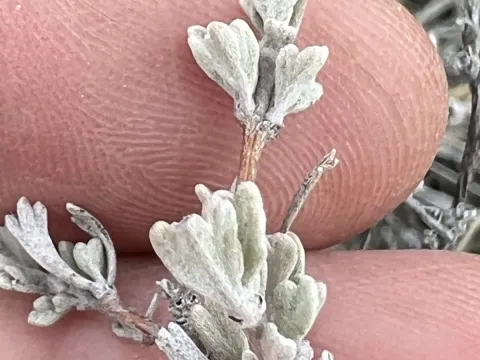
Little sagebrush
Artemisia arbuscula
Little sagebrush (Artemisia arbuscula) is a member of the Asteraceae family and is a semi-shrub that grows in arid zones. Seed propagation under natural conditions requires specific environmental triggers for germination.
What the section contains
Little sagebrush
In agricultural practice, planting should occur in the fall to allow for natural stratification in the soil. Spring planting necessitates cold treatment of seeds to ensure uniform germination.
Seeds should be planted at a shallow depth of 1 to 2 centimeters because they are very small and light-sensitive. Using precision seeders with press wheels improves the seed-to-soil contact significantly.
Optimal planting density is crucial because excessive competition leads to stunted growth. Seeding rates must be calculated based on the purity and viability of the collected seeds.
During the seedling stage, the plant grows quite slowly, making weed control a high priority. Competition from invasive weeds can completely suppress the development of little sagebrush.
This plant is highly adapted to harsh environments including rocky or alkaline soils. It is known for its extreme drought tolerance and ability to thrive in poor-quality soil.
Good drainage is essential for the healthy development of this species. Waterlogging of the root zone must be avoided at all costs, as it promotes fungal diseases and plant death.
Little sagebrush requires full sun exposure to produce essential oils and maintain its structural integrity. Shade often causes the plant to become leggy and less productive.
There are no specific requirements for high-input fertilization, as the species is adapted to low-nutrient environments. Potassium and phosphorus can be used to strengthen the root system.
The root system is extensive and deep, which aids in soil stabilization and prevents erosion. It serves as an important ecological component in restoring degraded rangelands.
The yield of little sagebrush as a forage plant depends heavily on annual precipitation. Typically, it provides 2 to 5 decitonnes of dry matter per hectare in managed stands.
Maximum nutritional value is observed just before the flowering stage. If harvesting is delayed, the stems become woody and less palatable to livestock, reducing overall quality.
When used for land restoration, the biomass yield is secondary to the plant's ability to cover the soil. Sustainable grazing management is necessary to maintain stand longevity.
Growth cycles are characterized by periods of dormancy and active growth depending on seasonal rainfall. Careful planning is needed to avoid overgrazing during dry years.
Variations in biomass production are expected due to the plant's sensitivity to climatic fluctuations. Monitoring the health of the plant population is vital for agronomic success.
Root rot is the most common disease, often caused by poor drainage or high humidity. Maintaining soil health and proper site selection is the best preventative measure.
Pests like aphids and various weevils can cause significant foliage damage if left unchecked. Early detection through regular field scouting is essential for effective pest management.
Powdery mildew can infect the plants during periods of rapid temperature changes between day and night. Maintaining adequate spacing between plants improves airflow and reduces risk.
Rodents may cause damage to the root system during winter, potentially reducing survival rates in spring. Controlling rodent populations is an important part of field management.
Chemical control should be limited, prioritizing sustainable biological methods to ensure the forage remains safe for livestock consumption.
Harvesting for forage purposes should be completed before the main stems become lignified. A cutting height of at least 10 to 15 centimeters is required to allow for regrowth.
Mechanical harvesting is feasible using standardized mowing equipment set to specific heights. The harvested biomass must be dried quickly to prevent spoilage and mold growth.
Seed collection is performed in late autumn when the flower heads turn brown and the seeds are ready to detach. Specialized harvesting equipment is recommended to maximize yield.
Collected material must be stored in dry, well-ventilated areas to ensure high seed viability. Proper humidity control in storage prevents the seeds from degrading.
Aligning harvest operations with phenological phases is essential for success. Constant communication between the field agronomist and the harvesting crew is key to quality control.