
Lonas
Lonas
Lonas, commonly known as Lonas annua, is an annual plant that is typically propagated by seeds. Sowing directly into the garden should be performed in late spring once all risk of frost has passed and the soil temperature has reached a minimum of 12–15 degrees Celsius.
What the section contains

Lonas
For a head start, seeds can be started indoors in March. Use a light, well-draining potting mix and sow the seeds on the surface, covering them only lightly as they require light for optimal germination.
Maintain an indoor temperature of about 20 degrees Celsius during the germination phase. Once the seedlings develop their first true leaves, prick them out into individual pots to encourage the development of a healthy root system before transplanting.
Transplant the hardened seedlings outdoors in late May, spacing them 20–25 centimeters apart. This spacing is crucial for ensuring adequate airflow and preventing humidity-related issues between the plants.
For professional cut flower production, staggered sowing is recommended every two to three weeks. This practice ensures a continuous supply of fresh stems throughout the peak growing season.
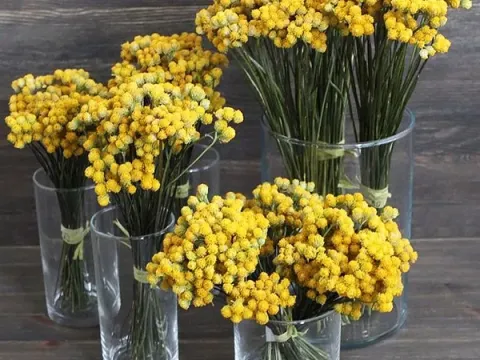
Lonas is an Asteraceae family member that thrives in full sun. It requires a location with maximum daily sunlight exposure to ensure the development of its iconic, bright yellow, button-like flower heads.
The plant prefers sandy or loamy soils that offer excellent drainage. Waterlogging is the most common cause of failure in Lonas cultivation, as the roots are highly sensitive to prolonged moisture levels.
While somewhat drought-tolerant once established, the plant requires consistent moisture during the bud-formation stage to reach its full decorative potential. Use drip irrigation if possible to keep foliage dry.
Fertilization should be moderate, focusing on potassium and phosphorus rather than nitrogen. Excess nitrogen can lead to lush green foliage at the expense of floral production and can make the plants more susceptible to pests.
The ideal temperature for Lonas growth ranges from 18 to 25 degrees Celsius. The plants adapt well to summer heat, provided there is enough moisture to prevent wilting during the hottest parts of the day.
The yield of Lonas is defined by the number of high-quality flowering stems produced per plant. Proper horticultural management can result in dozens of flower heads per individual specimen throughout the growing season.
Yield is significantly influenced by early-stage pinching. By removing the primary growing point of the seedling, you encourage lateral branching, which effectively doubles or triples the number of harvestable flower heads.
Plant density plays a key role in total yield per square meter. It is essential to balance density for maximum output while ensuring enough space for each plant to receive full solar radiation.
For commercial growers, uniformity is the primary quality indicator. Selecting high-germination seed lots and providing consistent irrigation helps ensure that all plants reach maturity simultaneously.
Ongoing harvest by deadheading or cutting stems for use stimulates the plant to redirect its energy into producing new blooms, extending the overall production window until the first autumn frosts.
The most significant threats to Lonas are fungal infections, specifically powdery mildew. This is often exacerbated by poor air circulation and high humidity, manifesting as a white powdery coating on leaves.
Root rot is a critical threat caused by overly compacted or saturated soils. Once the root system is compromised by rot, the plant shows rapid wilting and typically cannot be salvaged, making soil management paramount.
Common pests include aphids and spider mites, which thrive in dry, warm conditions. These pests feed on sap, leading to stunted growth, yellowing foliage, and deformed flower heads if not treated promptly.
Preventative measures include regular crop rotation and keeping the planting area free of weeds, which often serve as alternate hosts for pests and diseases throughout the growing season.
When chemical intervention is required, use systemic insecticides or fungicides sparingly and strictly according to label directions to protect local beneficial insect populations like bees.
Harvesting Lonas for use as dried flowers requires perfect timing. Stems should be cut when the flower heads are fully open and exhibit their most vibrant, intense yellow coloration.
Harvesting is best performed in the morning after the dew has evaporated. Stems gathered while wet are significantly more prone to fungal growth during the drying process, which ruins the quality of the product.
To dry, bundle the stems loosely and hang them upside down in a dark, well-ventilated location. Keeping the stems in the dark is crucial to prevent the yellow pigments from fading due to ultraviolet light.
The drying process takes approximately two weeks. Once completely dry, the flower heads should feel stiff and retain their shape when handled, indicating that moisture content is low enough for long-term storage.
Store dried Lonas in a moisture-free, cool environment to ensure the flowers remain free from dust and humidity, maintaining their aesthetic value for months or even years.