
Luina
Luina
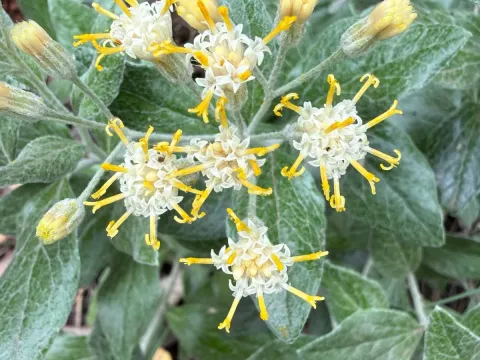
Luina is a genus of perennial herbaceous plants belonging to the Asteraceae family. These plants are primarily recognized for their specialized botanical interest rather than broad agricultural production, often featured in xeriscaping or rock garden projects.
What the section contains

Luina
The native range of Luina is limited to the mountainous regions of Western North America. They are adapted to extreme environmental conditions, characterized by short growing seasons and significant temperature fluctuations between day and night.
Successful cultivation of Luina requires a substrate that mimics its natural scree habitat. It must be highly permeable, ensuring that moisture does not linger near the root crown, as the plant is extremely prone to crown rot in heavy soils.
The plant requires full sun exposure to maintain its distinct silver foliage and compact growth habit. Shaded conditions lead to etiolation and make the plant vulnerable to moisture-related diseases that can be fatal to the root system.
Minimalist agrotechnical practices are recommended for this genus. Fertilizer application should be avoided, as high nitrogen levels induce excessive vegetative growth that weakens the plant's natural resistance to environmental stress.
The primary threats to Luina involve fungal pathogens, particularly those causing root and crown rot, such as Phytophthora species, which thrive in poorly drained environments.
Powdery mildew can become a significant issue during periods of high humidity combined with stagnant air, necessitating proper spacing to ensure adequate ventilation between individual plants.
Pests including aphids and spider mites are common during the active growth phase, particularly if the plant is grown in containers or areas with restricted natural airflow.
Small rodents can pose a physical threat to the root structures of established plants, especially in naturalized settings where cover is sufficient for the animals.
Integrated pest management strategies focusing on physical barriers and environmental control are the most effective ways to manage the health of this delicate species.