
Lopholaena
Lopholaena
Lopholaena is a genus of perennial herbaceous plants belonging to the Asteraceae family. Native primarily to the regions of Southern and Eastern Africa, these plants have evolved to thrive in open, sun-drenched environments with high levels of atmospheric aridity.
What the section contains


Lopholaena
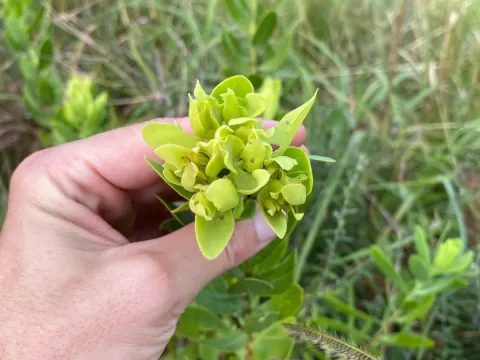
Botanically, Lopholaena species are recognized by their upright growth habit and distinct inflorescences composed of small flower heads. Many species exhibit xerophytic adaptations, such as leaf pubescence, which serves to reflect intense sunlight and reduce water loss through transpiration.
To successfully cultivate Lopholaena, one must provide an environment that mimics its natural habitat. High light intensity is the most critical requirement for development, as plants grown in shade quickly lose their vigor and become susceptible to physiological disorders.
The choice of soil is paramount, with well-draining, sandy, or gravelly substrates being the most suitable. Heavy, moisture-retentive clays are highly unsuitable for this genus, as they frequently lead to root asphyxiation and the subsequent death of the plant specimen.
In terms of economic use, Lopholaena is mainly utilized in specialized horticulture for dry gardens and xeriscaping. It is not currently recognized as a standard agricultural crop, though its unique physiological resilience to drought makes it a subject of interest for climate-smart plant breeding programs.
The primary threats to Lopholaena are soil-borne fungal pathogens, such as Phytophthora or Pythium, which flourish in waterlogged conditions. Preventing water accumulation at the base of the plant is the most effective cultural practice for mitigating these risks.
Insect pests, including aphids and whiteflies, can become problematic during periods of stress or in sheltered greenhouse environments. Regular monitoring and the maintenance of adequate airflow are essential to keep populations of these pests below the economic damage threshold.