
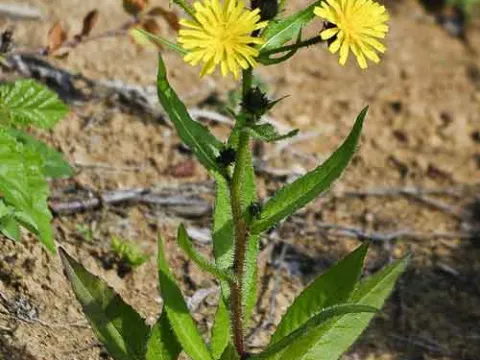
Low oxtongue
Picris humilis
Low oxtongue (Picris humilis) is a herbaceous perennial plant belonging to the Asteraceae family. Known for its distinct morphological traits, this species has been observed for its potential in specialized agricultural niches and forage systems.
What the section contains
Low oxtongue
The plant originates from mountainous and Mediterranean regions, where it has evolved to survive in habitats with fluctuating moisture levels and varied terrain. This evolutionary history provides the species with a high degree of resilience to environmental stress.
Regarding soil requirements, Picris humilis thrives in well-drained, sandy loam or rocky soils. It is essential to ensure that the site has excellent drainage, as the species is highly susceptible to root damage when subjected to waterlogging or anaerobic soil conditions.
The climate requirements include a preference for temperate zones with consistent light availability. While the plant can withstand moderate drought due to its taproot system, optimal productivity is achieved in regions that receive balanced rainfall during the vegetative growth phase.
Management practices for this crop focus on early-stage weed suppression, as seedlings are relatively slow to establish. Once established, the plants demonstrate competitive growth, requiring minimal intervention aside from periodic soil cultivation and maintaining nutrient balance.
The primary threats to Picris humilis include fungal pathogens such as downy mildew and leaf rust, which can proliferate under high humidity. Implementing proper crop rotation and maintaining adequate spacing are critical cultural practices to mitigate these risks.
Pests including various aphid species and stem-boring insects may affect crop health during dry seasons. Regular field scouting is advised to ensure that populations remain below the economic injury level, ensuring the longevity of the crop stands.