
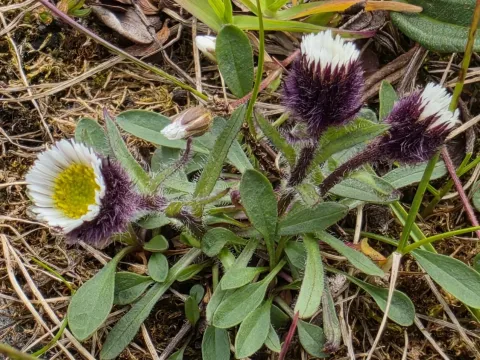
Low fleabane
Erigeron humilis
Low fleabane (Erigeron humilis) is a perennial herbaceous plant belonging to the Asteraceae family. Native to the arctic and alpine regions of North America and Eurasia, it has evolved to thrive in harsh, nutrient-poor environments with extreme temperature fluctuations.
What the section contains
Low fleabane
The plant is botanically recognized by its low-growing, compact habit and characteristic solitary flower heads. Its leaves are often slightly hairy, providing a natural insulation mechanism against the cold and drying winds of its native habitat.
When cultivating this species, site selection is crucial; it demands full sun exposure to maintain its compact growth form. Providing shade or semi-shaded conditions will inevitably cause the plant to etiolate and lose its decorative appeal.
The soil requirements for Erigeron humilis are quite specific, favoring gritty, well-draining substrates with low organic matter content. Heavy clay soils that retain moisture during the dormant season are generally fatal to the root systems of this species.
Maintenance involves minimal intervention, as the plant is adapted to survive with very low nutrient levels. Excessive fertilizer application should be avoided, as it encourages weak, lush growth that is highly susceptible to environmental stress and pests.
The primary threat to the health of Low fleabane is fungal root rot, which typically develops in poorly drained soils. Over-watering during the growing season is the most common cause of premature plant mortality in garden settings.
Aphids and spider mites are potential pests that can affect plant vitality by feeding on the tender foliage and developing buds. Regular inspection of the plant's undersides is recommended to detect these populations before they cause significant damage.
Powdery mildew represents a common pathological challenge, especially in environments with high humidity and stagnant air. Proper spacing between individual plants is essential to ensure adequate airflow and reduce the incidence of this fungal disease.
Slugs and snails may occasionally feed on young growth in early spring, causing visible holes in the leaves. Protective barriers or organic baiting methods are usually sufficient to manage these infestations without harming the plant.
To ensure long-term plant health, any symptomatic or decaying plant tissue should be removed promptly. Following good sanitary practices will help maintain the resilience of the stand and prevent the spread of soil-borne pathogens.