
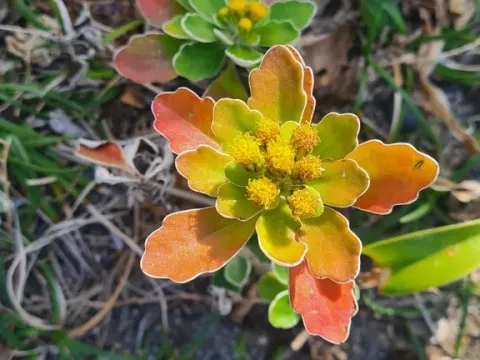
Ajania
Ajania
Propagation of Ajania is primarily performed vegetatively by dividing established clumps in early spring or through stem cuttings. Seeds can also be sown in greenhouse conditions during March, requiring a well-draining starting mix.
What the section contains


Ajania
Transplanting seedlings to the field occurs once the danger of frost has passed, usually in late May. Ensuring the root system remains undisturbed during this process facilitates faster establishment in the garden soil.
When using seeds, they should be surface-sown and covered with a very light layer of vermiculite. Light is essential for germination, so burying them too deep will inhibit the development of the seedlings.
Pre-planting soil preparation is crucial; deep tillage to loosen the earth allows for rapid root penetration. Incorporating organic matter, such as compost, improves soil fertility without introducing excess nitrogen.
Plant spacing should be calculated based on the specific variety, typically ranging from 30 to 45 centimeters apart. This spacing promotes airflow and minimizes competition for soil nutrients between individual plants.
Ajania belongs to the Asteraceae family and is recognized for its unique foliage and resilient nature. It is native to the diverse landscapes of Eastern Asia, particularly favoring rocky and dry mountainous terrains.
The plant requires full sun exposure to thrive. Cultivation in partial shade often leads to etiolated, weak stems that lose the characteristic dense growth pattern and overall aesthetic appeal of the species.
Soil requirements are relatively modest; however, excellent drainage is non-negotiable. Ajania prefers neutral to slightly alkaline sandy-loam soils and will suffer in waterlogged conditions, which lead to root rot.
Regarding climate, Ajania is quite hardy and adapts well to temperature fluctuations. It remains an excellent choice for xeriscaping, as it requires minimal supplemental irrigation once the root system is established.
General maintenance involves annual pruning to encourage bushier growth. Cutting back the stems by a third at the start of the season results in a more compact and floriferous plant profile by the end of the year.
Powdery mildew is the most prevalent disease affecting Ajania, particularly in regions with high humidity. Early detection and treatment with appropriate fungicides are necessary to protect the plant's health.
Aphids can occasionally infest tender growth during hot, dry spells. They cause localized damage to the buds and leaves, often necessitating the use of insecticidal soaps or neem oil for organic control.
Root rot caused by Phytophthora or similar fungi remains a significant threat if drainage is inadequate. Managing irrigation cycles to allow the soil surface to dry between waterings is the best preventative strategy.
Sanitation is a vital aspect of pest and disease control. Removing fallen leaves and spent stems during the autumn cleanup prevents the accumulation of pathogens that could overwinter in the garden bed.
Monitoring for signs of stress, such as yellowing leaves or stunted development, allows for timely intervention. Integrating diverse companion plants can also help disrupt pest life cycles naturally within the planting area.