
Ajania pallasiana
Ajania pallasiana
Description
Growing requirements
Ajania pallasiana is a hardy perennial herbaceous plant belonging to the Asteraceae family. Native to the rocky slopes and steppes of East Asia, it is well-adapted to surviving in environments that would be inhospitable to many other ornamental species.
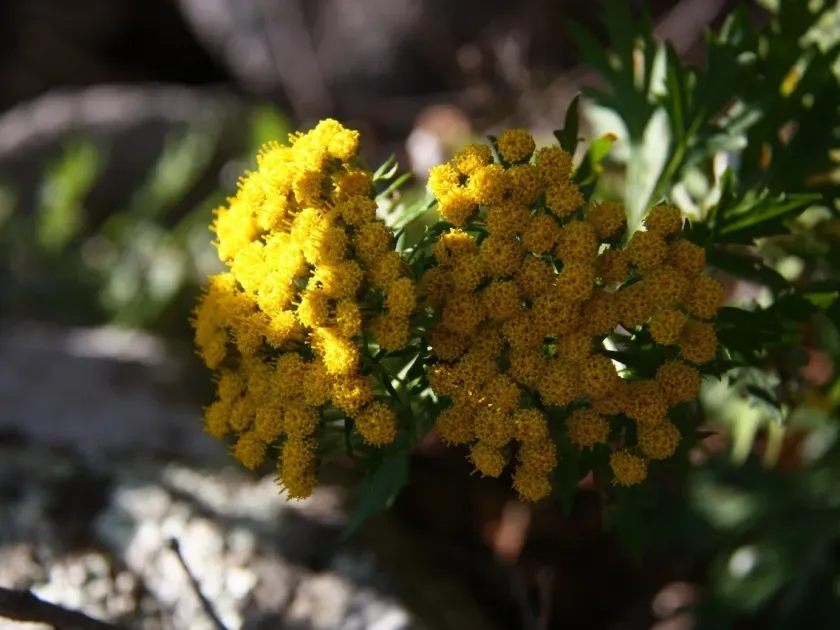
The plant exhibits distinct botanical features, including finely divided, silvery-green foliage that provides a refined texture. Its growth habit is typically clump-forming, making it an excellent candidate for ground cover applications in arid landscape designs.
To cultivate Ajania successfully, one must provide a location with full solar exposure. Adequate drainage is the single most important factor for soil preparation; the plant thrives in sandy or gritty substrates where water does not linger near the root collar.
Regarding climatic adaptability, the species is remarkably resilient. It is known for its high drought tolerance once established and its ability to withstand significant temperature fluctuations, which is characteristic of its natural habitat in Eastern regions.
In terms of economic and horticultural use, Ajania pallasiana is primarily valued for its ornamental appeal in xeriscaping and rock garden construction. It serves as a durable, low-maintenance choice that adds aesthetic value through its distinct foliage color and late-season blooms.
Main diseases and pests
The primary threats to Ajania pallasiana are related to improper moisture management. Excessive soil moisture, particularly during the dormant season, can lead to crown rot and other fungal infections, which are often fatal to the plant.
While the plant is generally resistant to many common pests due to the concentration of essential oils in its tissues, environmental stress can weaken its defenses. Monitoring for aphids during rapid spring growth is recommended to ensure the plant remains in prime condition.