


Reference · Crops
Ageratum
Ageratum L.
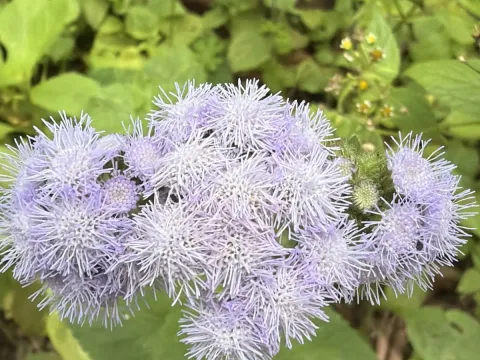
Ageratum (Ageratum L.) belongs to the Asteraceae family and is widely appreciated in landscaping as a vibrant annual flowering plant of tropical American origin.
3
items
What the section contains
Marketplace
Products in this section · 3


Ageratum
The cultivation process typically begins with sowing seeds in greenhouse conditions about 6 to 8 weeks before the anticipated date of the last spring frost.
Seeds are exceptionally small and require light for germination, which means they should be pressed into the soil surface rather than buried beneath a layer of substrate.
Optimal germination conditions include a temperature range of 20 to 24 degrees Celsius and maintaining consistent surface moisture by covering the containers with plastic.
Once true leaves appear, seedlings should be pricked out into individual pots or cell trays to ensure they have enough space to develop a robust root system before transplantation.
The crop thrives in full sun exposure, although it can tolerate partial shade, provided that the location maintains sufficient light intensity to prevent legginess.
Ageratum prefers well-drained, fertile soil that is kept moist but not waterlogged, as poor drainage is the primary cause of failure in most gardening environments.
During the growing season, moderate irrigation is necessary, ensuring the water is applied to the base of the plant to keep the foliage dry and reduce disease risk.
Fertilization should be handled with care; excessive nitrogen levels promote vegetative growth at the expense of floral development and can make plants more susceptible to pests.
Regular deadheading—the removal of faded flower clusters—is an essential practice that encourages the plant to produce a second wave of blooms and extends the flowering period.
Bacterial wilt and root rot caused by overwatering are significant threats that can quickly destroy established plantings in poorly drained soils.
The cucumber mosaic virus remains a serious concern for growers, as it causes stunted growth and mottling of the leaves, requiring the removal and destruction of infected plants.
Common insect pests include whiteflies and spider mites, which often colonize the undersides of leaves and can cause severe damage in hot, dry weather conditions.
Integrated pest management, including the use of soaps or systemic insecticides, is recommended when pest population thresholds are exceeded during the summer months.
Maintaining good air circulation between plants is a primary preventive measure against fungal outbreaks such as powdery mildew, which can develop in humid and stagnant air.