
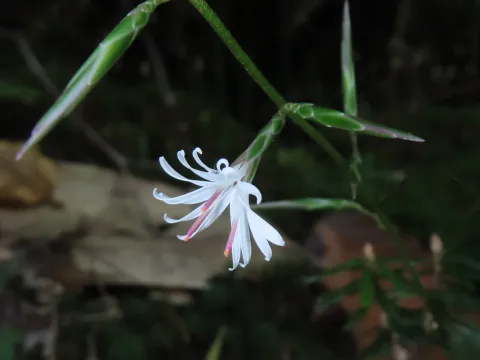
Ainsliaea
Ainsliaea
Ainsliaea is a genus of perennial herbs within the Asteraceae family, native to the temperate and subtropical regions of East Asia. These plants are typically found in forest understories and montane regions, where they thrive in environments with dappled shade and consistent moisture.
What the section contains


Ainsliaea
For successful cultivation, the soil must be rich in organic matter and possess excellent drainage properties. While they prefer consistent moisture, they cannot tolerate waterlogged conditions, which often lead to physiological stress and root system degradation.
Climate requirements for Ainsliaea focus on protection from intense direct sunlight and extreme drought. In a garden setting, they are well-suited for shaded borders where they can benefit from cooler ambient temperatures and protection from harsh winds.
The plant has gained scientific interest due to its chemical composition, specifically sesquiterpene lactones. These compounds are investigated for their therapeutic properties, positioning the genus as a potential resource for the development of natural pharmaceuticals.
Botanically, the plant is distinguished by its basal rosette of leaves and slender, elongated flowering stalks. The inflorescences are often composed of several small, tubular florets that are biologically adapted for efficient local pollination cycles.
Pathogens represent the most significant threat to Ainsliaea, particularly fungi that thrive in humid, stagnant air. Root rot is a common issue when soil permeability is insufficient, necessitating a proactive approach to site drainage management.
Insect pests, such as leaf-chewing larvae and gastropods, frequently target the foliage, especially during early development stages. Integrated pest management, including regular inspection and maintaining distance between plants, is essential to ensure the vitality of the crop.