
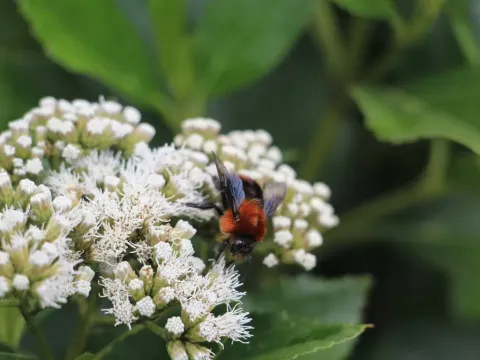
Ageratina
Ageratina
Ageratina is a diverse genus of perennial herbs and shrubs within the Asteraceae family. Known for their resilience and decorative value, these plants are primarily cultivated in professional landscaping and ornamental gardening for their clusters of long-lasting, showy flowers.
What the section contains


Ageratina
Originating from the Americas, these plants have adapted to various environments ranging from mountainous regions to woodland edges. Successful cultivation requires a deep, well-draining soil rich in organic matter, as the root systems are sensitive to prolonged waterlogging.
Climatic requirements for Ageratina generally include moderate temperatures and good sun exposure, though many species tolerate partial shade. Providing a sheltered position protects the foliage from damage caused by strong winds during the growing season.
Agronomic management involves consistent irrigation during dry spells to maintain plant vigor. Balanced fertilization applied early in the spring supports vegetative growth, while deadheading spent flowers helps encourage a potential secondary bloom and maintains a tidy appearance.
Planting density is a crucial management factor, as proper spacing ensures sufficient airflow around the foliage. This simple practice significantly reduces the risk of fungal outbreaks and promotes stronger, more structurally sound stems throughout the summer.
Common phytopathological threats to Ageratina include powdery mildew, a fungal disease that thrives in crowded environments with high humidity and stagnant air. Prevention relies heavily on maintaining appropriate spacing and improving site-specific airflow.
Insect pests, such as aphids and spider mites, can occasionally colonize young leaves and stems, leading to reduced vitality. Early detection through regular scouting is vital to prevent these populations from reaching levels that require intensive chemical control.
Soil-borne pathogens may cause root rot if drainage is insufficient. Ensuring the planting site has adequate slope or substrate modification prevents water from settling around the base of the plant, which is the primary cause of sudden plant loss.
Integrated pest management (IPM) practices, such as encouraging natural predators and using horticultural oils, are effective for controlling minor infestations. Maintaining soil health through organic mulching can also prevent the stress that makes plants more susceptible to attack.
Sanitation is a critical final step in the annual cycle. Clearing away dead plant debris in the late fall or early winter removes overwintering sites for both fungi and insect eggs, setting a clean foundation for the following growing season.