
Ajania fastigiata
Ajania fastigiata
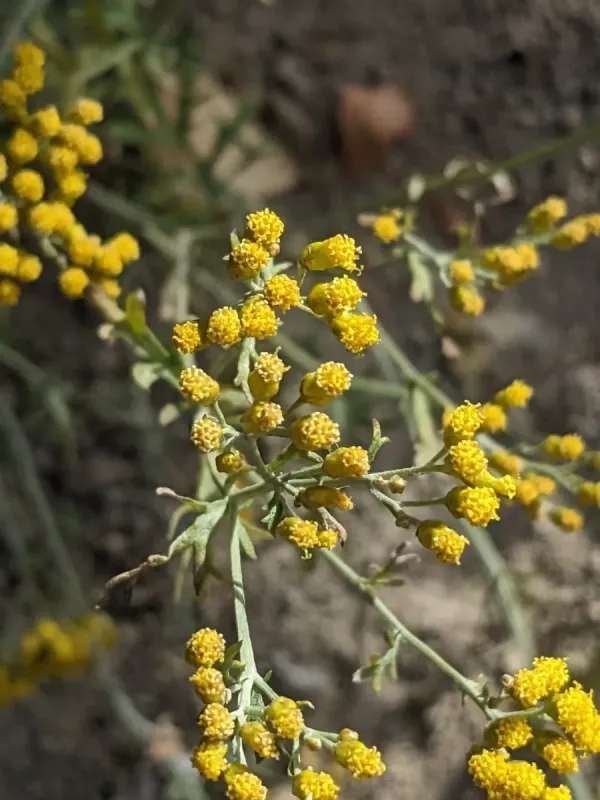
Description
Growing requirements
Ajania fastigiata is a perennial subshrub belonging to the Asteraceae family. Known for its compact growth habit, this plant originates from high-altitude mountainous regions where it has adapted to harsh environmental conditions.
The plant demonstrates exceptional drought tolerance, a trait that makes it suitable for regions with limited rainfall. It has evolved to thrive in soils that are structurally light, such as rocky or sandy substrates.
Proper drainage is the most critical factor for successful cultivation. Even short-term waterlogging in the root zone can be lethal to the plant, so soil aeration must be prioritized during the establishment phase.
Sunlight requirements for this species are high. It performs best in full sun, which promotes dense branching and the development of its characteristic foliage texture. Shaded conditions lead to etiolation and decreased vigor.
Biologically, the plant features specialized leaf structures covered in fine hairs, which help reflect sunlight and reduce transpiration rates. This evolutionary adaptation is key to its resilience in dry, alpine-like climates.
Main diseases and pests
Ajania fastigiata possesses a natural resistance to a wide range of common agricultural pests due to its complex secondary metabolites, including essential oils that deter many herbivorous insects.
Fungal diseases are the primary threat, usually triggered by excessive humidity or poor soil drainage. Root rot is a common issue if the plant is overwatered or kept in stagnant environmental conditions.
Powdery mildew may occur during periods of high humidity and limited airflow. To mitigate this risk, it is essential to maintain proper spacing between individual plants to ensure adequate ventilation.
Pest management should focus on early detection, specifically monitoring for aphids during the peak growth flush in spring. If an infestation occurs, spot-treating with biological or systemic insecticides is typically sufficient.
Good horticultural practice involves regular pruning to remove dead or diseased biomass, which helps maintain plant health and reduces the inoculum load of potential pathogens in the growing area.