
Pacific chrysanthemums
Ajania pacifica
Description
Growing requirements
Pacific chrysanthemum, known scientifically as Ajania pacifica, is an ornamental perennial plant belonging to the Asteraceae family. Native to the coastal regions of Japan, it is highly valued for its striking appearance and resilience in garden settings.
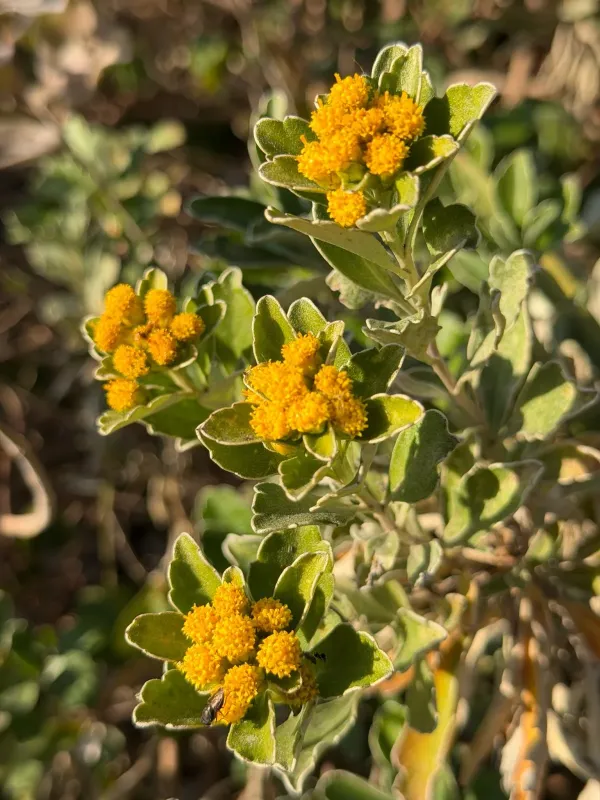
The plant is botanically characterized by its distinct, dark green leaves with a unique silver-white margin. This foliage remains attractive throughout the growing season, forming dense, low-growing mounds that are perfect for rock gardens or decorative edging.
Successful cultivation requires soil that is well-drained and moderately fertile. The plant performs best in a neutral to slightly alkaline pH. Drainage is paramount, as the roots are sensitive to waterlogging, which often occurs in heavy clay soils.
Ajania pacifica thrives in full sun, which is essential to maintain the intensity of its silver leaf margins. While it shows good drought tolerance once established, consistent moisture during early growth stages ensures a more robust and healthy plant.
Maintenance includes regular pruning, particularly in late spring or early summer, to promote a bushy growth habit and prevent the plant from becoming leggy. It is a winter-hardy plant in many zones, though it benefits from protection in extremely cold climates.
Main diseases and pests
The primary threats to Pacific chrysanthemum are fungal infections, typically triggered by poor air circulation or excessively damp conditions. Root rot is a common issue if the planting site lacks proper drainage, leading to quick decline.
Pests such as aphids and spider mites can occasionally affect the foliage, especially during hot, dry spells. Infested plants may show signs of yellowing or distorted leaves, requiring immediate integrated pest management strategies.
Preventive maintenance involves removing fallen debris around the base of the plant to eliminate potential overwintering sites for pests and pathogens. Ensuring proper spacing between plants helps maintain airflow, which is critical for health.
In cases of severe infestation or disease, targeted use of fungicides or insecticidal soaps can be effective. Application should be handled with care to protect beneficial garden insects while managing the specific issue affecting the Ajania.
Overall, by selecting an appropriate location and following standard horticultural practices, the Pacific chrysanthemum remains a low-maintenance and highly reliable plant for landscaping, providing aesthetic value for many seasons.