
Algarve artichoke
Cynara algarbiensis
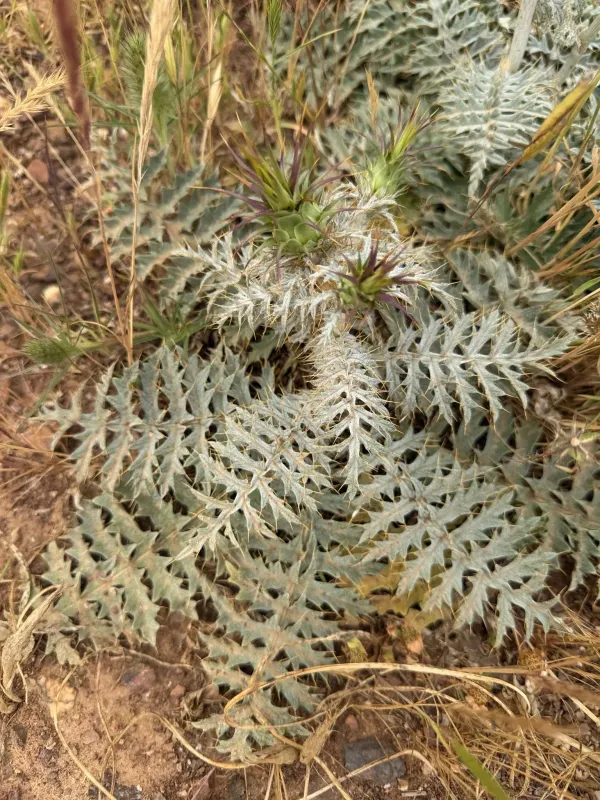
Description
Sowing dates
The Algarve artichoke is a perennial species that is typically propagated from seeds, requiring specific pre-sowing treatments to ensure uniform germination.
Seeds should be sown in late winter indoors to allow enough time for the seedlings to develop a strong root system before transplanting.
It is recommended to use well-drained seed starter soil and maintain a constant temperature of approximately 20 degrees Celsius during the germination phase.
Seedlings need to be hardened off gradually before being moved outdoors to avoid transplant shock caused by sudden changes in temperature or light intensity.
Once planted in the field, the spacing between plants must be generous, as the rosette leaves can expand significantly during the growing season.
Growing requirements
Belonging to the Asteraceae family, Cynara algarbiensis thrives in Mediterranean climates characterized by mild, wet winters and warm, dry summers.
The plant requires full sun exposure to maintain its vigor and reach its full potential in terms of biomass production and flower development.
Soil structure is critical; the ideal substrate for this artichoke is sandy or rocky soil with excellent natural drainage and a slightly alkaline pH.
While the plant is quite drought-tolerant once established, supplemental irrigation during the peak growth months helps to increase the overall yield.
Protection from cold winds is advisable in regions where temperatures drop near freezing, as severe frost can damage the succulent parts of the plant.
Main diseases and pests
Root rot caused by stagnant water is the primary physiological threat to the Algarve artichoke, especially during the wetter months of the year.
Aphids are the most common insect pests, often congregating on the underside of leaves and around the developing flower buds, requiring integrated pest management.
Fungal leaf spots can occur if the planting site lacks proper airflow, necessitating strategic spacing and the removal of infected foliage to prevent spread.
Slugs and snails may attack young seedlings in the spring, so monitoring the area and installing physical barriers is a recommended defensive practice.
Maintaining a clean cultivation area free of weeds helps reduce the risk of secondary infections and pest infestations throughout the plant's life cycle.