
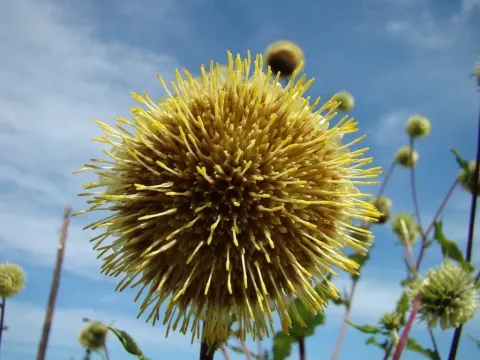
Alfredia
Alfredia
Alfredia is a perennial herbaceous plant from the Asteraceae family. For optimal cultivation, sowing should ideally take place in early spring once the soil temperature has stabilized between 5 and 8 degrees Celsius.
What the section contains

Alfredia
The seeds possess a tough outer coat, so stratification is highly recommended to improve germination rates. Sowing is best done in rows with spacing of about 45–60 centimeters to provide adequate room for leaf rosette expansion.
Planting depth should be kept between 2 and 3 centimeters. If seeds are planted too deeply, they may fail to emerge as they lack the energy reserves to reach the soil surface, especially in heavy clay soils.
Germination typically occurs within 15 to 20 days after sowing. During the first year of life, the plant primarily focuses on developing a robust root system and a large basal leaf rosette.
Proper density management is crucial to avoid overcrowding. A spacing of 5–8 plants per linear meter is generally recommended to ensure good air circulation and sufficient access to nutrients for each plant.
Alfredia thrives in well-drained, fertile soils with a neutral to slightly alkaline pH. The plant requires soil rich in organic matter, which can be achieved by incorporating compost or well-rotted manure before planting.
This species is highly cold-hardy, making it suitable for regions with harsh winter climates. However, the plant does require a layer of mulch or natural snow cover to protect the root system during extreme winter frosts.
Light exposure is critical for the healthy development of Alfredia. It prefers open, sunny locations and does not perform well in shaded areas, which can lead to elongated stems and reduced vegetative vigor.
While the plant needs moderate moisture, it is extremely sensitive to waterlogging. Stagnant water around the roots can lead to rapid rot, so site selection should prioritize areas with excellent natural drainage.
Wind protection is also beneficial, especially in the early stages of development. A site with a gentle slope or protection from prevailing winds can prevent damage to the flower stalks when the plant reaches maturity.
Root rot is the most significant threat to Alfredia. This condition is almost always associated with poor drainage or overwatering, which creates an environment where pathogens can destroy the root system.
Powdery mildew can affect the leaves, particularly during periods of high humidity and warm temperatures. Regular monitoring is necessary to catch and treat early signs of infection with appropriate fungicides or organic alternatives.
Aphids are the most common pests, often clustering on young shoots and buds. They extract plant sap and can severely weaken the plant if their populations are not managed through biological controls or timely intervention.
Slugs and snails can cause significant damage to the plant's basal rosette, especially in damp weather or when the plants are still young. Implementing physical barriers like copper tape or ash can help protect the leaves.
Maintaining high crop hygiene is vital. Removing diseased plant residues at the end of the season and avoiding monoculture practices helps to minimize the buildup of soil-borne pathogens and pests.
The harvest of Alfredia is performed when the plants are in full bloom, which is the period when the concentration of medicinal compounds is at its highest. This usually occurs during the second year of growth.
The aerial parts of the plant are harvested using a sharp blade, cutting approximately 10–15 centimeters above the ground. It is essential not to damage the base of the plant to ensure its survival for the next season.
Harvested material must be processed quickly to maintain quality. It should be spread out in a single layer in a dry, shaded area with good air movement to prevent the growth of mold during the initial drying stage.
Drying temperatures should not exceed 45 degrees Celsius. Excessive heat can degrade the chemical constituents of the plant, significantly reducing its potential therapeutic effectiveness and overall quality.
Once dried, the product should be stored in airtight containers or paper bags in a cool, dark, and dry room. This protects the dried material from absorbing ambient moisture or losing its color and potency over time.