
Alexandrian thistle
Onopordum alexandrinum
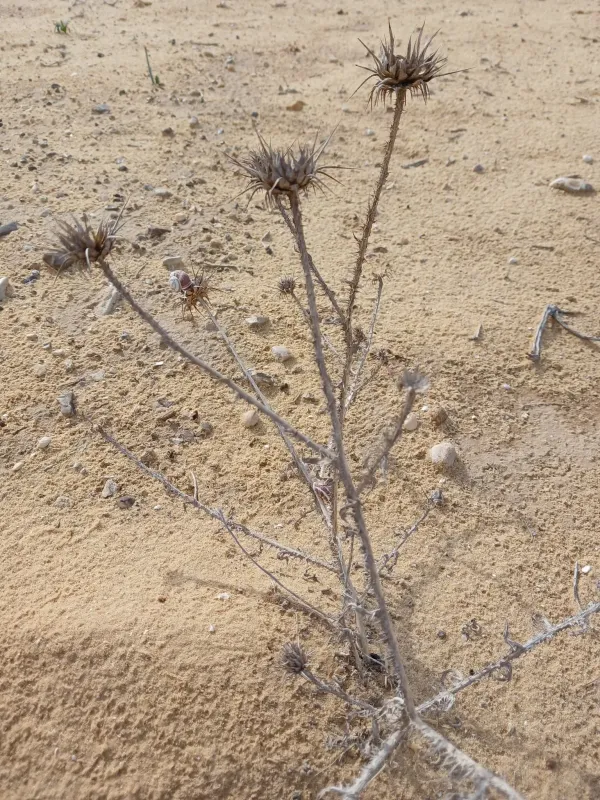
Description
Sowing dates
Alexandrian thistle is a species within the Asteraceae family that thrives in temperate climates with well-drained soil conditions.
Seeds are typically sown in early spring, once soil temperatures reach 10 degrees Celsius, ensuring a uniform emergence of seedlings.
Sowing depth should be managed carefully, usually ranging from 2 to 3 centimeters, to optimize germination and early root development.
Proper row spacing, often set at 45 to 60 centimeters, is crucial to allow the plant enough space to develop its characteristic large rosette.
Soil preparation involves deep plowing before the winter to create a favorable structure for the plant's developing taproot system.
Growing requirements
The plant demonstrates remarkable drought tolerance, making it an excellent candidate for regions with limited rainfall during the growing season.
It prefers full sun exposure, as shaded conditions significantly reduce both vegetative biomass and the total number of flower heads produced.
Well-drained, slightly alkaline to neutral soil types are ideal, while heavy clay soils with poor water drainage should be strictly avoided.
Nitrogen requirements are moderate; excessive fertilization can lead to overly rapid growth, potentially weakening the structural integrity of the stems.
Weed management in the early stages of establishment is vital, as the plant is sensitive to competition from aggressive invasive grasses.
Yield
The primary economic value of this thistle lies in its role as an exceptional nectar-producing plant, attracting numerous pollinators to farms.
Seeds are known for their high oil content, which can be extracted for various industrial applications or used in the cosmetic industry.
As a green manure crop, it contributes significant organic matter to the soil, improving overall fertility and structural stability of the plot.
Yields are highly dependent on successful pollination; therefore, maintaining healthy populations of honey bees nearby is highly recommended.
Integrating this crop into sustainable farming systems helps diversify the farm output while supporting local ecosystem services.
Main diseases and pests
Root rot represents the most significant threat, typically exacerbated by prolonged waterlogging or poor drainage in the field.
Pests such as various species of weevils can cause substantial damage to the developing flower heads, leading to reduced seed quality.
Powdery mildew is a common fungal threat in high-humidity areas, which can cause leaf yellowing and reduced photosynthetic output.
Aphid infestations on young stems may cause stunted growth and create honeydew, which further promotes secondary fungal infections.
Integrated pest management, including crop rotation and field sanitation, is essential for maintaining crop health and productivity levels.
Harvesting
Harvesting should take place when the flower heads have turned brown and the seeds reach full maturity to prevent premature shattering.
Timing is critical as seeds can be easily dispersed by wind; therefore, daily monitoring of the harvest maturity window is highly recommended.
Manual or mechanical harvesting during dry hours ensures minimal moisture content in the final product, which is vital for long-term storage.
Cleaning the harvest is necessary to remove debris and chaff, ensuring that only clean, mature seeds are stored for future use.
Post-harvest storage requires cool, dry conditions with adequate air circulation to prevent seed deterioration or fungal contamination.