
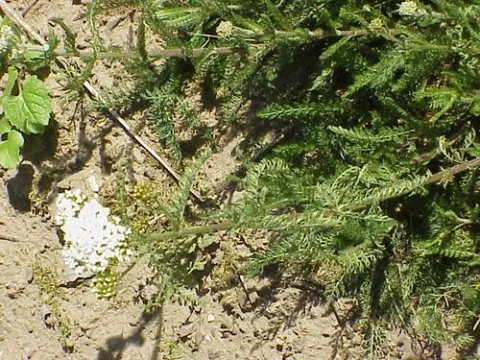
Achillea membranacea
Achillea membranacea
Achillea membranacea is typically sown in early spring once soil temperatures reach a stable 10–12 degrees Celsius. The seeds are small and require a fine, well-prepared seedbed to ensure uniform germination across the field.
What the section contains
Achillea membranacea
Row spacing should be maintained between 45 and 60 centimeters to allow for mechanical weeding and proper air circulation. Seeds should be sown at a shallow depth of approximately 0.5 to 1 centimeter to maximize emergence rates.
In regions with short growing seasons, starting plants in greenhouses and transplanting them after the last frost is recommended. This method ensures a more robust crop establishment compared to direct field seeding.
Soil moisture must be carefully managed during the germination stage. If the soil surface dries out too quickly, irrigation systems should be activated to maintain consistent humidity for the delicate seedlings.
Proper density of planting is essential to avoid competition between plants. Excessive overcrowding can lead to spindly growth and reduced quality of the harvested biomass.
As a member of the Asteraceae family, this species thrives in full sun and requires excellent drainage. It is highly adaptable but performs best in light, sandy, or loamy soils with neutral pH levels.
The crop is known for its impressive drought tolerance, making it a viable option for regions with water limitations. However, moderate irrigation during the vegetative stage is necessary to ensure optimal biomass production.
Achillea membranacea requires minimal fertilization but benefits from a base application of phosphorus and potassium before planting. Excessive nitrogen should be avoided as it can inhibit the accumulation of essential oils.
The species prefers regions with long daylight hours and moderate summer temperatures. High humidity and poor air circulation should be avoided, as these conditions stress the plant and invite fungal growth.
Crop rotation practices should be strictly followed to maintain soil health. Planting Achillea membranacea in the same plot for more than five years is generally not recommended due to nutrient depletion.
Powdery mildew and various rust diseases are the primary threats to this crop, particularly during periods of high precipitation or high relative humidity. Maintaining adequate spacing between rows is a crucial preventive measure.
Aphids and certain types of plant bugs represent the main insect threats, as they target the succulent buds and leaves. Monitoring the field regularly allows for early intervention before pest populations reach critical thresholds.
Root nematodes can cause significant damage to the plant's health, often leading to stunted development. Implementing proper crop rotation with non-host species is the best long-term control strategy.
Cultural control methods, such as removing debris after harvest and managing weed populations, help to minimize the incidence of viral and fungal diseases. These practices reduce the need for synthetic inputs.
Early detection of pests is key. Growers should walk the fields frequently to inspect the underside of leaves and developing inflorescences for signs of early infestations or disease symptoms.
Harvesting should occur at the peak of the flowering stage, when the flower heads are fully developed but before seed dispersal begins. This ensures the highest concentration of bioactive compounds.
The flower heads are cut along with a short portion of the upper stem. Using sharp mechanical harvesters helps to ensure a clean cut and minimize damage to the plant's structural integrity.
Post-harvest processing involves immediate drying in well-ventilated facilities. The temperature must be kept below 40 degrees Celsius to prevent the degradation of volatile essential oils.
Once dried, the crop should be stored in dark, humidity-controlled environments to maintain its quality and potency. Proper packaging is essential to prevent moisture absorption and contamination.
After the harvest, the fields should be cleared of remnants to reduce the pathogen load for the following season. This maintenance phase is vital for the long-term success of the perennial planting.