
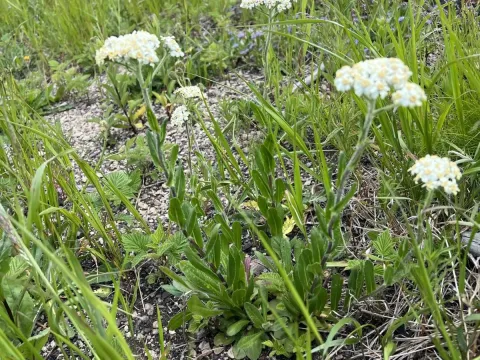
Achillea lingulata
Achillea lingulata
Sowing Achillea lingulata requires careful preparation as the seeds are quite small and need light for proper germination. In temperate regions, sowing is typically done in early spring, once the danger of severe frost has passed.
What the section contains
Achillea lingulata
For uniform germination, seeds should be surface-sown on moist, well-draining soil and pressed lightly to ensure contact without burying them too deeply. Utilizing a nursery or greenhouse for starting seeds in late winter can significantly increase success rates.
Transplanting seedlings to their final location is best done when they have developed at least two sets of true leaves. Proper spacing of 30 to 40 cm between plants is essential to allow for adequate airflow, which is critical for this species.
The soil should be prepared by removing all perennial weeds and incorporating organic matter if the soil is particularly nutrient-poor. Good structure in the seedbed facilitates the rapid establishment of the root system.
Autumn sowing is also an option in regions with mild winters, as it allows seeds to undergo natural cold stratification, which often leads to more robust and vigorous growth when temperatures rise in the following spring.
Achillea lingulata, a member of the Asteraceae family, is a perennial herb native to the mountainous regions of the Balkans. It is known for its distinct tongue-shaped leaves and its high adaptability to challenging environments.
The climate requirements for this plant include a preference for sunny, open locations. While it is hardy and capable of surviving cold winters, it thrives best when exposed to direct sunlight for the majority of the day to support its physiological processes.
Soil preferences lean towards well-drained, slightly alkaline or neutral substrates. Achillea lingulata is sensitive to waterlogging; therefore, sandy or rocky soil compositions are ideal for preventing root rot and promoting long-term plant health.
While the plant shows good drought tolerance once established, consistent moisture during the initial growing stages is vital. Supplemental irrigation should be provided during prolonged dry spells to maintain high biomass production.
Maintenance involves periodic weeding and light pruning after the flowering season to encourage new vegetative growth. Avoid excessive nitrogen fertilization, as it may reduce the concentration of beneficial essential oils within the plant tissues.
The primary threats to Achillea lingulata are fungal pathogens, most notably powdery mildew, which can compromise both the plant's health and its quality as an herbal raw material. High humidity and poor drainage are the main drivers of these outbreaks.
Pests such as aphids and leaf-chewing caterpillars can cause significant damage during the active growing season. Regular scouting is recommended to detect these pests early and prevent them from reaching damaging population levels.
Root rot caused by stagnant water is a silent killer for this species. Ensuring excellent soil structure and avoiding over-irrigation are the most effective preventive measures against soil-borne fungal infections.
Integrated pest management, including the use of botanical insecticides and introducing beneficial predator insects, can help maintain crop health without relying on heavy chemical interventions that might affect quality.
Field sanitation remains the most critical practice for managing disease risks. Removing plant debris from the previous season reduces the inoculum load of pathogens that could otherwise infect new growth in the spring.