
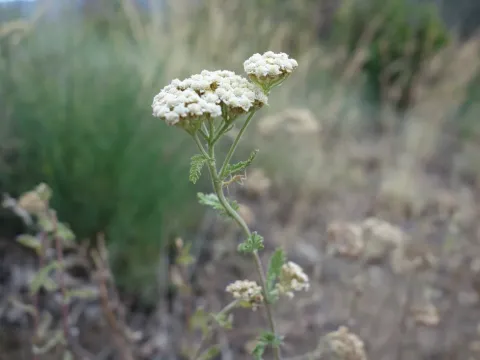
Achillea odorata
Achillea odorata
Sowing Achillea odorata is ideally performed in early spring once soil temperatures reach 10–12°C. The seeds are very small and require light-sensitive germination, so they should be sown on the surface with minimal soil cover.
What the section contains
Achillea odorata
Seedlings can be started in trays or greenhouses about 4–6 weeks before the final frost. This method is often preferred in large-scale agriculture to ensure uniform plant density across the field.
Direct field sowing requires a spacing of approximately 45–60 cm between rows to allow for adequate airflow and mechanical weed control as the plants develop.
Germination usually occurs within 14 to 20 days. Maintaining constant surface moisture is crucial during this initial phase, but over-watering must be avoided to prevent damping-off diseases.
In regions with mild winters, autumn sowing is also a viable strategy, allowing for earlier establishment and flowering in the following season.
Achillea odorata belongs to the Asteraceae family and is native to the Mediterranean region. It is a highly drought-tolerant, sun-loving perennial that thrives in full exposure to direct sunlight.
The plant performs best in well-drained, gritty, or sandy soils. It is notably tolerant of high lime content and alkaline conditions, making it an excellent choice for rocky or neglected land.
Waterlogging is the primary enemy of this species. Ensuring excellent soil structure and drainage is essential, as persistent moisture around the roots leads to rapid decline and plant death.
It is well-adapted to Mediterranean climates with long, hot summers and mild, relatively dry winters. In colder northern regions, it requires winter protection or well-draining soil to survive frost.
Nutrient requirements are modest; excessive nitrogen fertilization should be avoided as it stimulates excessive vegetative growth and decreases the concentration of essential oils.
The commercial value of Achillea odorata lies in its fragrant flower heads and foliage, which are harvested for essential oil extraction. Optimal yields are reached by the second or third growing season.
Harvesting should be timed to coincide with the onset of peak flowering when the essential oil content is at its highest. Delayed harvesting results in a loss of quality and active aromatic compounds.
Yields vary depending on density and soil quality, generally ranging from 1.5 to 3 tonnes of dry matter per hectare under good management practices. Intensive cultivation can produce higher figures.
The secondary metabolites found in the plant are highly valued in the perfume and pharmaceutical industries, requiring careful post-harvest handling to ensure market quality.
Field longevity usually spans 4 to 6 years, after which re-establishment or field rotation is recommended to maintain high productivity and plant health.
The species is generally robust, but susceptibility to root rot increases significantly in poorly drained soils. Adherence to proper irrigation management is the most effective preventative measure.
Powdery mildew can occasionally affect plants during periods of high humidity and stagnant air. Providing adequate spacing between plants helps mitigate this risk by promoting good ventilation.
Aphids and certain types of plant bugs can be problematic during the budding phase. Monitoring is essential, and any interventions should use bio-friendly methods to preserve the quality of the aromatic oil.
Insects like ground-dwelling larvae may occasionally damage root systems, but damage is usually minor and rarely warrants chemical treatment in established, healthy fields.
The high concentration of terpenoids in Achillea odorata acts as a natural deterrent against many generalist pests, simplifying the overall pest management strategy.
Harvesting is conducted during sunny, dry conditions in the morning after dew has evaporated. This practice ensures that essential oil concentration is at its peak and minimizes spoilage.
Mechanical harvesting equipment, such as forage headers set to the appropriate height, is used to collect the flowering tops efficiently without damaging the plant crown.
Immediate post-harvest processing is critical. The cut material must be transported to a drying facility without delay to prevent fermentation or oxidation of the volatile compounds.
Drying should take place in controlled conditions with active ventilation at temperatures below 40°C to preserve the integrity of the aromatic profile and the vibrant color of the flowers.
Once dry, the product is stored in airtight, light-protected containers to maintain its shelf life and prevent the degradation of its complex fragrance components.