
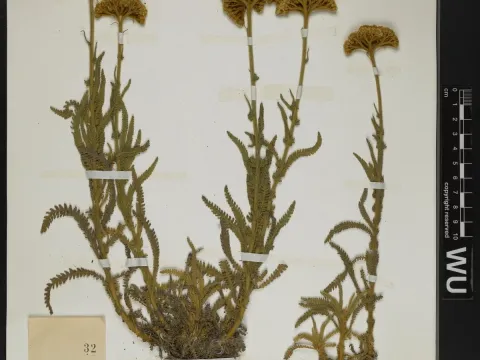
Achillea pseudopectinata
Achillea pseudopectinata
Sowing of Achillea pseudopectinata is primarily performed in the spring when soil temperatures reach 10–12 degrees Celsius. The seeds have high germination rates, but stratification is recommended to improve uniformity.
What the section contains
Achillea pseudopectinata
For commercial field cultivation, a row-cropping method with 45–60 centimeters between rows is advised. This arrangement facilitates mechanized soil cultivation and effective weed control during the early stages.
The seeds should be sown at a shallow depth, no more than 0.5–1 centimeter, as their small size makes them sensitive to soil compaction. Ensuring good soil-to-seed contact is vital for obtaining even stands.
Autumn sowing is possible provided it is done early enough for the plants to establish a basal leaf rosette before the first frost, which promotes early development in the following season.
Seeding rates should be adjusted based on the quality and purity of the seed material, generally ranging from 2 to 4 kilograms per hectare under intensive management systems.
Achillea pseudopectinata is a perennial member of the Asteraceae family, recognized for its excellent drought tolerance. It thrives in open, sunny locations with moderate moisture levels.
The plant performs best in light, well-drained loamy or sandy soils. It does not tolerate waterlogged conditions or heavy clay soils, which can lead to root rot and poor plant vigor.
This species is well-adapted to temperate climates and can withstand significant temperature fluctuations. An ideal soil pH ranges from neutral to slightly alkaline for optimal nutrient availability.
In large-scale production, the crop responds positively to phosphorus and potassium fertilizers, which help strengthen the plant's immune system and increase the yield of essential oils.
The plant possesses a robust root system that allows it to effectively extract nutrients from the soil, minimizing reliance on heavy fertilization and increasing overall resilience.
Fungal diseases, particularly powdery mildew, are the primary threat to this crop, especially in conditions of high humidity and poor air circulation within the canopy.
Rust infections can negatively impact the quality of the raw material, making crop rotation essential. It is recommended to avoid planting this species after other Asteraceae crops.
Pests such as aphids and spider mites can cause significant damage to young shoots and flowers, leading to plant distortion and a reduction in the concentration of active substances.
The use of insecticides must be strictly managed during the flowering phase to protect pollinators. Integrated pest management and biological controls are the preferred strategies.
Preventive maintenance includes timely removal of plant debris and regular weeding, which enhances airflow between rows and reduces the micro-environmental pressure from pathogens.
The harvest of Achillea pseudopectinata is carried out during the peak flowering stage, as this is when the concentration of medicinal compounds and essential oils is at its highest.
Mechanical harvesters or manual cutting methods are used to collect the top portions of the shoots, leaving about 10–15 centimeters above the ground to preserve the plant base.
Prompt post-harvest processing is critical to maintain quality. Drying should occur in well-ventilated areas or controlled-environment dryers at temperatures ranging from 40 to 45 degrees Celsius.
The crop is utilized in the pharmaceutical industry for medicinal preparations, as well as in the fragrance and cosmetic industries for its unique essential oil properties.
Properly dried material should be stored in dark, cool, and dry conditions. Airtight packaging is necessary to prevent the loss of volatile oils and ensure long-term stability of the raw material.