
Achillea kolbiana
Achillea kolbiana
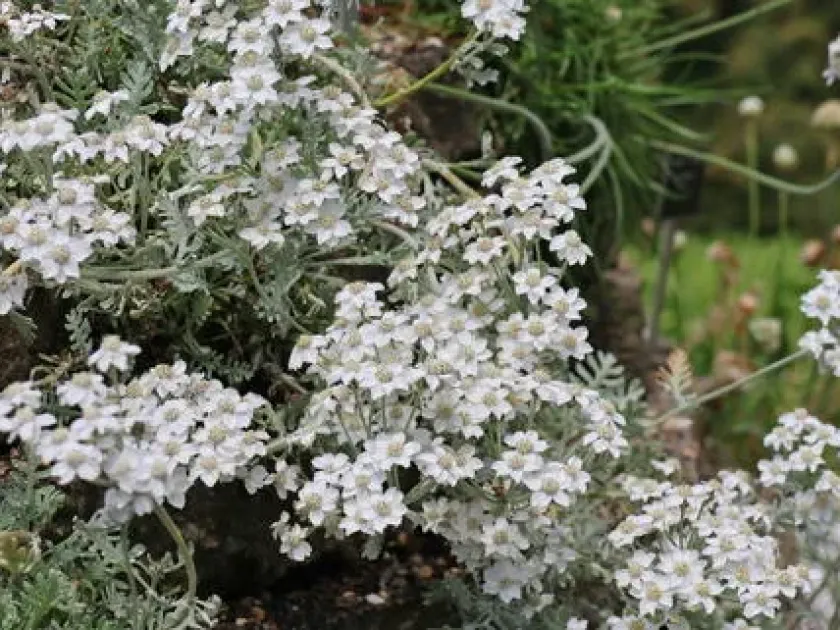
Description
Sowing dates
Achillea kolbiana is a perennial herbaceous plant belonging to the Asteraceae family. In agricultural practice, propagation is usually performed via seeds or by division of mature rootstocks to maintain genetic consistency.
Seed sowing is typically done in early spring as soon as the soil becomes workable. Due to the small size of the seeds, they should be sown on the surface of well-prepared, fine-textured soil and pressed down gently without deep covering.
If using the division method, mature plants are divided in early spring or late autumn. This approach ensures faster establishment and uniform crop density, which is essential for commercial herbal production.
The spacing between plants should be optimized to allow for machinery access during maintenance. A standard row spacing of 40-50 cm is recommended to ensure adequate airflow and reduce the humidity around the leaf canopy.
Weed management during the initial growth phase is crucial. Because Achillea kolbiana exhibits moderate early growth, young seedlings must be protected from competition to ensure strong root development and high yield potential.
Growing requirements
Achillea kolbiana thrives in locations with full sun exposure. It is highly drought-tolerant and performs best in well-drained, slightly alkaline to neutral sandy or loamy soils that prevent waterlogging.
The plant is highly adaptable to various climatic conditions, including regions with cold winters and hot summers. It does not require specialized protection during the winter, demonstrating high hardiness across many environments.
Soil fertility requirements are generally low, as the plant can adapt to poor conditions. However, balanced fertilization during the active growing season can enhance both the biomass yield and the concentration of active chemical compounds.
Good drainage is the most critical soil requirement for this species. In soils that retain moisture for too long, the plant is susceptible to root decay, especially during the dormant winter period.
Water requirements are minimal once the plant is established. Supplemental irrigation is only necessary during prolonged droughts during the peak flowering stage to prevent premature wilting and yield loss.
Yield
The yield of Achillea kolbiana reaches its maximum during the second and third years of cultivation. With proper management, a plantation can remain productive for up to 5–6 years before needing renovation.
The quality of the harvest is determined by the timing of the cut. For medicinal use, the upper 15–20 cm of the plant, including flowers and upper leaves, should be harvested during peak bloom to ensure potency.
Yield efficiency can be significantly improved by implementing moderate irrigation and timely weed control. Consistent moisture levels during the pre-flowering stage are associated with higher overall biomass production.
Mechanical harvesting is feasible and cost-effective. Modern equipment with adjustable cutting heights allows for clean collection of the raw material with minimal waste or inclusion of woody base stems.
Effective crop rotation is recommended to maintain soil health. Planting Achillea kolbiana after non-Asteraceae crops reduces the pressure from species-specific pests and soil-borne diseases, stabilizing long-term yield.
Main diseases and pests
While relatively hardy, Achillea kolbiana can be affected by fungal diseases like powdery mildew, particularly when plant density is too high. Improving air circulation is the best preventive measure.
Rust diseases may occur in humid environments, presenting as orange or brown spots on the foliage. Infected plants should be promptly removed and destroyed to prevent the spread of spores to healthy sections of the field.
Aphids represent the primary insect pest for this culture. These insects target the tender terminal growth, reducing plant vigor and affecting the cosmetic appearance of the harvest, which is important for quality grading.
Integrated pest management strategies focusing on biological controls are preferred to maintain the organic integrity of the herbal crop. Chemical interventions should only be considered as a last resort in extreme cases.
Ensuring that the soil remains well-drained is the most effective way to prevent root-related issues. Monitoring the moisture level throughout the season helps in identifying risks early before they compromise the stand.
Harvesting
Harvesting should be conducted during dry, clear days once the dew has evaporated. Harvesting wet plants increases the risk of mold formation and degradation of the essential oils during the post-harvest period.
The standard harvesting height is approximately 15–20 cm above the ground. This preserves the lower portion of the plant, allowing it to recover quickly for subsequent flushes or continued perennial growth.
Post-harvest handling must be fast. Drying should start within hours of harvest to prevent fermentation or oxidation of the active components, which would negatively impact the quality of the raw material.
Drying in controlled temperature settings at 40-45°C preserves the vibrant color and aromatic profile of the species. Proper drying is vital for long-term storage and market competitiveness.
Once dried, the material must be sorted and stored in breathable containers, such as burlap or paper sacks, kept in a cool, dry, and dark environment to maintain the shelf life of the medicinal components.