
Achillea monticola
Achillea monticola
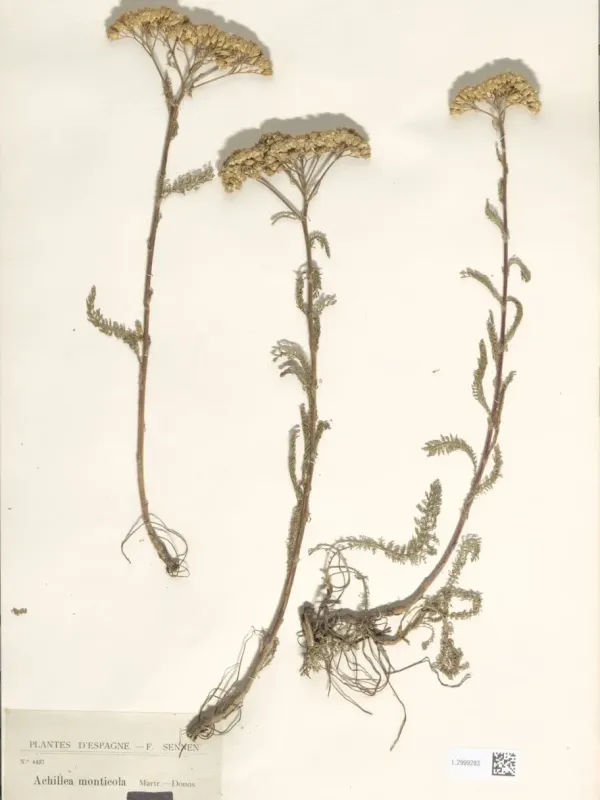
Description
Sowing dates
Achillea monticola is a perennial herbaceous plant belonging to the Asteraceae family. Its cultivation begins with proper seed selection and preparation, as the seeds often require stratification to improve germination rates in varied climates.
Sowing is typically performed in early spring once the soil temperature reaches at least 10 degrees Celsius. However, late autumn sowing is also a viable strategy in certain temperate regions to allow natural winter dormancy.
For agricultural production, seeds should be sown in rows with a spacing of approximately 45 to 60 centimeters. This layout is designed to facilitate mechanical weeding and ensure optimal spacing for mature plants.
The seeds must be planted at a shallow depth of about 0.5 to 1 centimeter. Because the seeds are tiny, they require a firm seedbed to ensure good contact with the soil while remaining accessible to light.
Germination usually takes about two to three weeks under optimal moisture conditions. During the first growing season, the plant focuses on establishing a robust root system and a basal rosette of leaves.
Growing requirements
This species thrives in open, sunny environments. Full sun exposure is critical for the development of essential oils and other active compounds within the plant tissues, which are highly valued in medicine.
The ideal soil for Achillea monticola is well-drained, sandy loam. It possesses a high tolerance for poor or rocky soils, but it struggles significantly in heavy clay soils that are prone to waterlogging.
The plant prefers a soil pH range between 6.0 and 7.5. While it can adapt to slightly acidic conditions, liming may be necessary in very acidic soils to optimize nutrient availability for the plant.
Fertilization should be handled with care. Excessive nitrogen application promotes vegetative overgrowth and can diminish the quality of the raw material. Potassium and phosphorus are preferred to improve overall hardiness.
The plant is exceptionally drought-tolerant once established, thanks to its deep taproot, which allows it to access subsoil moisture during dry spells.
Yield
Commercial yield typically ranges from 1.5 to 2.5 tonnes of dried herb per hectare. This variation depends largely on the soil quality, planting density, and the number of harvests performed in a season.
Achillea monticola plantations are generally productive for five to six years. After this period, the plant density may decline, necessitating soil amendment and replanting to maintain yields.
Yield management involves regular weed control and occasional irrigation during critical drought periods. Proper maintenance ensures that the plant diverts energy into the production of flowers and foliage.
Post-harvest analysis focuses on the concentration of bioactive compounds. High-yield practices involve harvesting at the right maturity stage to maximize the content of essential oils and flavonoids.
Consistent agricultural practices lead to stable and high-quality outputs, ensuring the sustainability of the herb farming business over the long term.
Main diseases and pests
The primary threats to Achillea monticola include powdery mildew and rust diseases. These are often triggered by high humidity levels and poor air circulation within the field during wet summers.
Pests such as aphids and leaf miners can affect the foliage and stem development. Integrated pest management strategies, including the use of beneficial insects, are recommended to maintain ecological balance.
Crop rotation is an essential preventive measure. Planting Achillea monticola in the same spot for consecutive years increases the risk of pathogen buildup in the soil, which can harm long-term productivity.
Weed competition is the most significant threat to young seedlings. Providing adequate space and performing timely mechanical cultivation in the early stages is crucial for plant survival.
Maintaining high hygiene standards in the field, such as removing dead plant debris, significantly reduces the likelihood of fungal outbreaks and insect infestations.
Harvesting
Harvesting is performed during the peak flowering stage, which is the period when the plant contains the highest concentration of active compounds. This timing is essential for commercial viability.
Field machinery is typically used to harvest the upper 20-30 centimeters of the flowering stems. The lower parts of the stem are left behind to avoid unnecessary volume and low-quality material.
Immediate drying is required after harvest to prevent decomposition and the loss of essential oils. Using forced-air drying systems set to low temperatures ensures the color and potency remain intact.
Once dried, the herb is cleaned to remove any foreign matter or debris. Careful handling during the sorting process is necessary to maintain the integrity of the flowers and leaves.
The final product should be stored in cool, dry conditions with low light exposure to ensure a shelf life that meets quality standards for pharmaceutical or cosmetic use.