
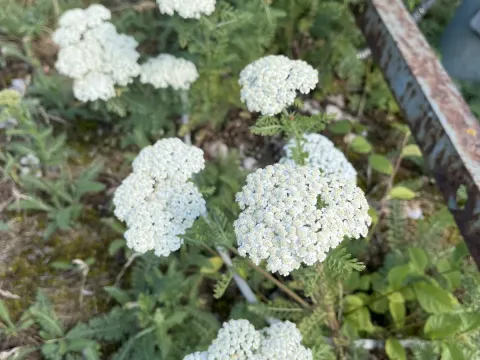
Achillea crithmifolia
Achillea crithmifolia
Achillea crithmifolia is a perennial herbaceous plant belonging to the Asteraceae family. In agricultural practice, seeds are typically sown in early spring, once the soil temperature consistently reaches 10-12 degrees Celsius.
What the section contains
Achillea crithmifolia
Late autumn sowing is also a viable method, as it allows seeds to undergo natural stratification, leading to more uniform germination in the spring. Given the small size of the seeds, they should be covered with a thin layer of soil, approximately 0.5 to 1 cm deep.
For large-scale production, starting with transplants is often preferred to optimize seed usage and ensure a uniform plant stand. Transplants are moved to the open field once the risk of late spring frosts has passed.
Plant spacing is determined by the specific production goals, with rows typically spaced 45-60 cm apart. This distance provides adequate space for nutrient uptake and facilitates mechanical cultivation.
Soil preparation is essential: the field must be cleared of perennial weeds. During the first year of growth, the plant develops slowly and can be easily outcompeted, so keeping the area weed-free is critical for success.
This crop is known for its hardiness, originating from the arid regions of Southeast Europe and the Balkans. It exhibits excellent drought resistance and can thrive even in nutrient-poor or rocky soils.
The plant prefers sunny, open environments, as shade can cause stems to lodge and reduce the essential oil content in the foliage. Well-drained sandy or loamy soils with a neutral to slightly alkaline pH are ideal.
A crucial factor for high-quality produce is the prevention of waterlogging. Sites with high water tables are generally unsuitable for commercial farming. The plant responds well to balanced phosphorus and potassium fertilization.
Achillea crithmifolia is highly frost-tolerant and does not require protective measures during winter in temperate climates. Supplemental irrigation is only necessary during the first two years if extreme drought conditions occur.
Its ability to stabilize soil makes this crop an excellent choice for planting on slopes prone to erosion, where it helps prevent soil degradation while producing a harvestable crop.
The primary economic focus for Achillea crithmifolia is the harvest of its aerial parts for use in the pharmaceutical, cosmetic, and food industries. Yield potential increases as the plantation matures over the first three years.
The first year is primarily for root establishment, with limited biomass production. Peak yields are usually achieved from the second year onward, provided the soil fertility and moisture levels are maintained.
The average dry biomass yield typically ranges between 1.5 and 3 tonnes per hectare, depending on local environmental conditions and the intensity of the agricultural management applied by the grower.
Under favorable conditions with adequate moisture, the crop can support two harvests per season. This multi-cut capacity significantly enhances the economic return of the cultivation area.
Consistent product quality is vital, as the concentration of active substances can fluctuate. Proper monitoring of the harvest timing is essential to ensure the market value of the dried raw material.
Achillea crithmifolia possesses a strong natural resistance to most fungal and bacterial diseases that plague other Asteraceae crops. The primary risk factor is root rot, which typically develops only in waterlogged conditions.
Pests such as aphids and leaf-eating insects can occasionally affect young shoots. However, with proper crop rotation and field monitoring, these infestations rarely reach levels that require chemical control.
Weeds are the primary threat during the establishment phase. Regular mechanical weeding between rows is the most effective management strategy to ensure the crop has the necessary resources to thrive.
Improper post-harvest handling, particularly inadequate drying, can lead to mold development. This renders the crop unusable for high-end markets, necessitating efficient airflow in storage and drying facilities.
- Powdery mildew (in high humidity)
- Root rot (due to poor drainage)
- Aphids (during rapid growth)
- Thrips
The harvesting of Achillea crithmifolia is best timed at the onset of mass flowering, when the concentration of essential oils and flavonoids in the plant tissue is at its absolute peak.
Stems should be cut approximately 5-10 cm above the soil surface. This height is sufficient to allow for quick plant recovery and avoids damaging the root crown, ensuring the longevity of the plantation.
Immediately after cutting, the biomass must be transported to a processing area. Allowing the material to sit in piles can lead to heating and fermentation, which destroys the aromatic quality of the final product.
Drying should take place in shaded, well-ventilated areas or in temperature-controlled chambers (below 45 degrees Celsius). This method preserves the plant’s chemical profile and natural appearance.
Once fully dried, the material should be packaged in breathable containers and kept in a cool, dry place away from direct sunlight to prevent the degradation of its volatile compounds.