
Achillea multifida
Achillea multifida
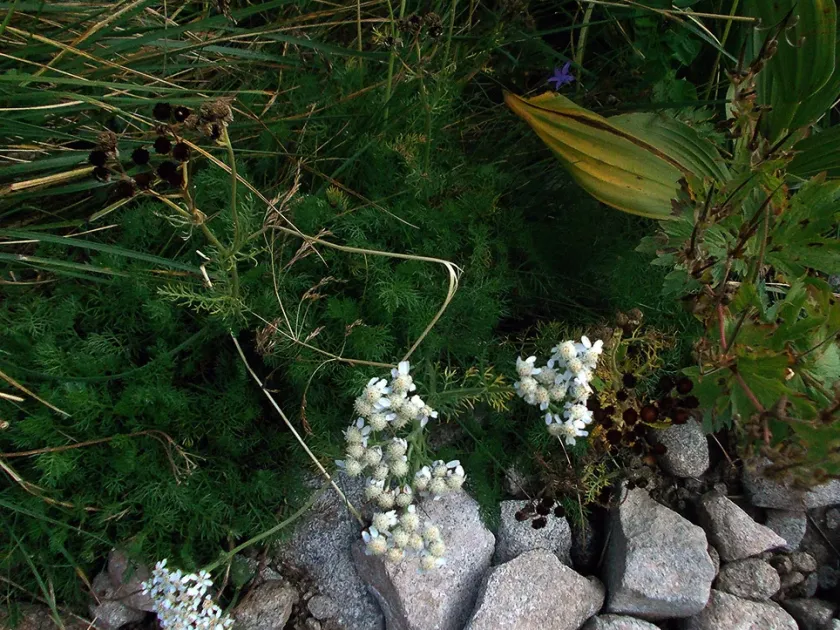
Description
Sowing dates
The sowing of Achillea multifida is primarily performed in early spring, once the soil has warmed sufficiently to support germination of the tiny seeds.
Because the seeds are extremely small, they should be surface-sown or covered with a very thin layer of fine soil to ensure proper contact without burial.
Standard agricultural practice involves precision seed drills set to a shallow depth, which significantly improves the uniformity of seedling emergence.
Row spacing is typically maintained between 45 and 60 centimeters, providing enough room for mechanical cultivation and weed control between rows.
Fall sowing is also a viable option in many temperate zones, as the seeds benefit from cold stratification, leading to more vigorous spring growth.
Growing requirements
Achillea multifida is a robust perennial belonging to the Asteraceae family, well-adapted to varied climatic conditions ranging from mountains to arid plains.
The plant performs best in full sun, as light intensity is directly linked to the concentration of essential oils and other medicinal compounds in the tissues.
Soil requirements are relatively modest, with a preference for well-draining, sandy-loam structures that prevent standing water near the root zone.
This species is highly drought-tolerant and can survive periods of low precipitation that would adversely affect many other common field crops.
Neutral to slightly alkaline pH levels are generally considered ideal for maximizing biomass production and overall plant longevity in commercial fields.
Yield
Agricultural yields of Achillea multifida are influenced by crop management strategies, particularly irrigation timing and nutrient availability during the growth phase.
Under optimal conditions, the annual yield of dried herbal biomass can range from 1.5 to 2.5 tonnes per hectare depending on site-specific climate factors.
Frequent mechanical harvesting may allow for multiple cuts per season, provided the plants have enough time to recover and regrow before the first frost.
Monitoring the flowering phase is crucial for yield quality, as the accumulation of active phytochemicals peaks precisely at the onset of full blooming.
Productivity typically increases after the first year as the plants establish a more extensive root system, allowing for better nutrient uptake in subsequent seasons.
Main diseases and pests
The most common agricultural threats for this crop include powdery mildew and other fungal pathogens that thrive in high-humidity or poorly ventilated environments.
Pests such as aphids and leaf-eating beetles can cause significant damage if populations are not managed through periodic monitoring and control measures.
Root rot remains a concern, especially in fields with heavy clay soils or improper water management, which can lead to significant plant mortality.
Weed competition is particularly critical during the early stages of plant establishment, necessitating effective mechanical weeding before the canopy closes.
Integrated pest management, including crop rotation and the use of resistant genotypes, is recommended to keep chemical intervention to a minimum.
Harvesting
Harvesting is carried out using mechanical mowers at the start of the full flowering stage, which ensures the highest possible concentration of volatile oils.
The stems are cut at a height of approximately 10–15 centimeters from the ground to encourage quick regrowth for future harvests or seasonal plant maintenance.
Post-harvest processing involves rapid drying in shaded, well-ventilated areas or in mechanical heat-controlled dryers to preserve the plant's delicate profile.
Storage must be handled in airtight, light-protected containers to minimize the degradation of aromatics and ensure high quality for market requirements.
Final cleaning of the raw material involves removing non-flowering debris and dust using automated sieving equipment tailored for small-seed or herb processing.