
Achillea barrelieri
Achillea barrelieri
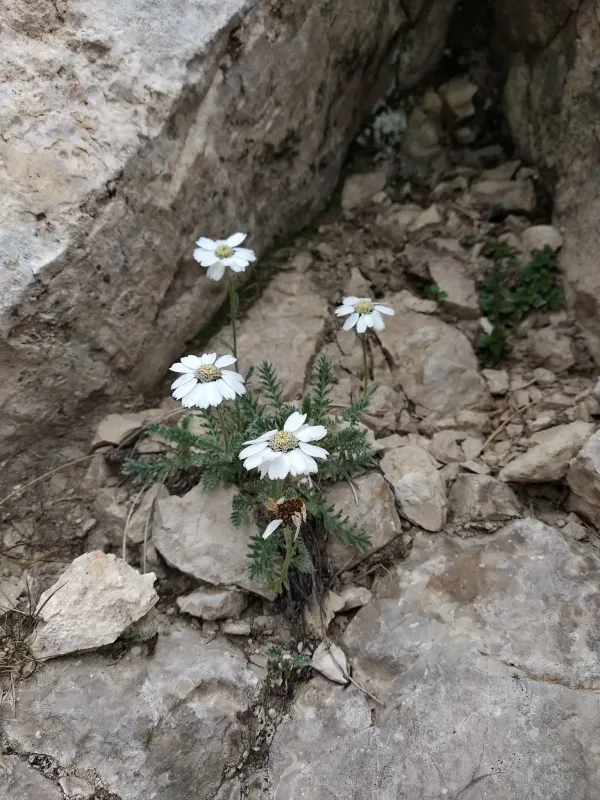
Description
Sowing dates
The sowing of Achillea barrelieri is typically conducted in early spring, once soil temperatures consistently exceed 12 degrees Celsius for reliable germination.
For nursery production, seeds should be surface-sown in light substrates, as they require direct light exposure to break dormancy and sprout effectively.
Transplanting into the field is recommended after the risk of late spring frost has completely passed, with spacing set at 30–40 cm between individual plants.
Vegetative propagation via root division is a highly efficient method for maintaining genetic uniformity and securing established plant clusters for field trials.
Division work is best performed during the plant's dormant phase, either early in the spring or in late autumn, to encourage rapid root development.
Growing requirements
As a member of the Asteraceae family, Achillea barrelieri is highly adapted to arid environments and performs best in full sun exposure.
The crop thrives in well-drained, sandy or gravelly soils, where the risk of waterlogging is minimized throughout the growing season.
This species is exceptionally drought-tolerant once established, requiring supplemental water only during the initial rooting stages or extreme heatwaves.
Soil pH should remain within the neutral to slightly alkaline range to ensure the optimal availability of nutrients required for healthy leaf and flower production.
Proper aeration of the soil is critical, as compact soils often lead to root suffocation and increased vulnerability to soil-borne pathogens.
Main diseases and pests
Powdery mildew represents a primary fungal threat, particularly when humidity levels remain high and air circulation around the plants is significantly restricted.
Aphids are the most common insect pest, frequently congregating on the succulent flower stems during the early stages of the reproductive cycle.
Spider mites may occasionally emerge during prolonged dry spells, causing leaf stippling and general decline if environmental stress is not managed.
Root rot is often the result of poor drainage or over-irrigation, leading to the rapid decay of the vascular system and plant death.
- Sanitize gardening tools between rows to prevent the mechanical spread of pathogens.
- Apply mulching sparingly to prevent excessive moisture retention at the crown.
- Regularly monitor the underside of foliage to catch initial aphid or mite infestations.
Harvesting
Harvesting is performed during the peak flowering period, as this is when the density of bioactive compounds in the stems and flowers is most concentrated.
The upper portions of the stems are harvested using sharpened blades, ensuring at least one-third of the plant remains to support continued growth.
Post-harvest processing requires drying in a shaded, well-ventilated space to prevent the oxidation of valuable chemical components contained within the flowers.
Final storage should involve breathable containers kept in a cool, dark environment to ensure the longevity and potency of the harvested botanical material.
Achillea barrelieri serves as a versatile crop, with significant potential in natural medicine, ornamental landscape design, and ecological field restoration.