
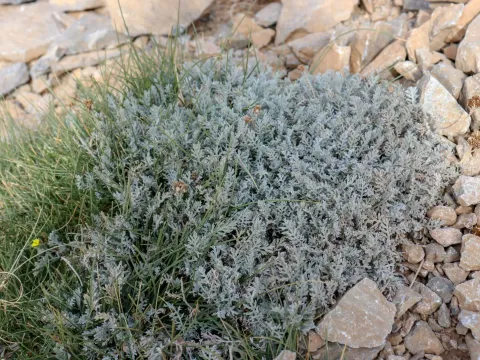
Achillea ambrosiaca
Achillea ambrosiaca
Sowing Achillea ambrosiaca is best performed in the spring when soil temperatures stabilize at 8-10 degrees Celsius. In most regions, this corresponds to late April or early May, depending on local climate conditions.
What the section contains
Achillea ambrosiaca
Autumn sowing is also an option, performed in late October. This allows for natural cold stratification of the tiny seeds, resulting in more uniform germination once the spring warmth arrives. Seeds should be sown shallowly, barely covering them with soil.
For greenhouse production, seedlings can be started in trays during March. Once the plants reach the 4-5 leaf stage and the risk of frost has passed, they are transplanted into open fields to ensure proper root development.
Consistent surface moisture is essential during the first two weeks post-sowing. Since the seeds are extremely small, they are susceptible to drying out, so light misting or irrigation is recommended until establishment.
Planting density is typically set at 4 to 6 plants per square meter. This spacing promotes optimal air circulation, which is crucial for preventing humidity-related diseases and ensuring each plant has adequate access to sunlight.
As a sun-loving species, Achillea ambrosiaca requires fully exposed sites to thrive. Shade leads to elongated stems and a significant reduction in the concentration of essential oils within the foliage.
The crop prefers well-drained, light-textured soils such as sandy loams. It does not tolerate waterlogging, which often leads to root rot; therefore, selecting a site with good drainage is a primary agrotechnical requirement.
While the plant exhibits high drought tolerance once established, supplemental irrigation during the peak growing phase significantly increases biomass yield. Drip irrigation systems are the most efficient method for maintaining soil moisture.
The plant is highly adaptable and shows good winter hardiness in temperate regions. It can remain productive on the same field for several years, making it a reliable perennial choice for commercial cultivation.
Regarding fertilization, moderate applications of phosphorus and potassium are beneficial during early spring. Nitrogen should be used sparingly, as excessive amounts encourage vegetative growth at the expense of aromatic compound production.
Harvesting is executed during the peak of the flowering phase, when the concentration of essential oils and bioactive compounds is highest. This usually aligns with the time when most of the buds have fully opened.
The plants are cut at a height of 10-15 cm above the soil surface. This height preserves the lower buds, enabling the plant to regenerate quickly and potentially produce a second harvest before the end of the season.
Immediate drying is required post-harvest to preserve the plant's volatile aromatic properties. Drying should be conducted in shaded, well-ventilated areas at temperatures not exceeding 40-45 degrees Celsius.
Proper storage is essential to maintain product quality. Dried material should be kept in airtight containers in a cool, dark room to prevent the evaporation of volatile oils and protect against moisture absorption.
Efficiency in harvesting is increased by using specialized machinery designed for herbs. Ensuring the final product is free from stems and extraneous weeds is vital for meeting quality standards in the pharmaceutical market.
Fungal diseases such as powdery mildew and leaf spot are the primary threats, especially in humid and poorly ventilated conditions. These can quickly spread throughout a dense plantation if left unmanaged.
Pests like aphids and spider mites can infest young plants, weakening them significantly during their rapid growth phase. Early detection through regular field scouting is the most effective defense strategy.
Integrated pest management, focusing on biological controls, is preferred to maintain the chemical integrity of the medicinal harvest. Avoiding broad-spectrum pesticides ensures compliance with organic farming standards.
Crop rotation remains the best preventative measure against soil-borne pathogens. A gap of at least three years between planting on the same site helps to maintain soil health and reduce disease pressure.
Autumn field cleanup, which includes the removal and destruction of crop residues, helps reduce the overwintering inoculum of fungi. Maintaining healthy plant spacing is also key to minimizing overall disease incidence.