
Haworthiopsis limifolia
Haworthiopsis limifolia (Marloth) G. D. Rowley
Description
Growing requirements
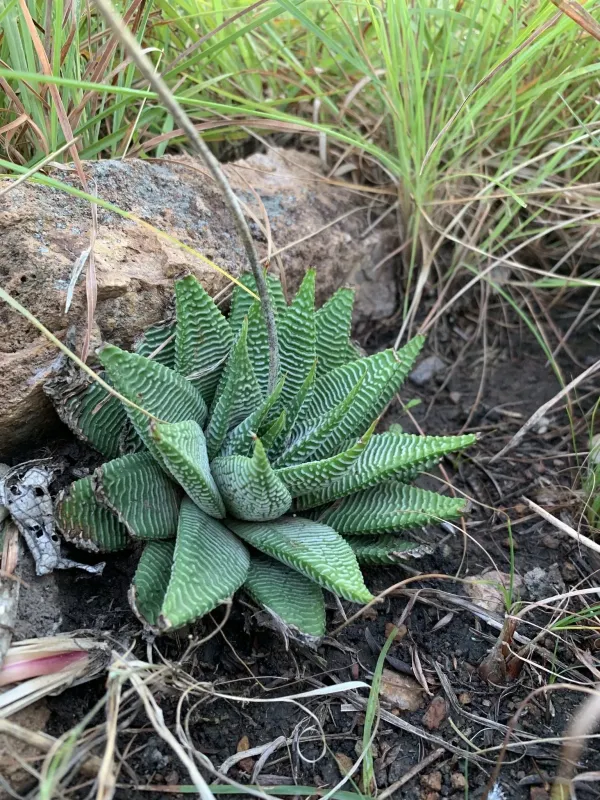
Haworthiopsis limifolia is a succulent species belonging to the Asphodelaceae family. Native to the rocky terrains of South Africa and Mozambique, this plant has evolved to survive in arid environments, often finding shelter under larger desert vegetation.
Botanically, it is defined by its compact rosettes of rigid, triangular leaves featuring distinctive transverse ridges. These leaf patterns are highly variable and are considered a key morphological trait of the species.
Cultivation requires a well-draining potting medium specifically formulated for succulents. A mix of pumice, coarse sand, and organic potting soil in a 2:1:1 ratio is generally recommended to ensure optimal root aeration and prevent compaction.
The plant thrives in bright, indirect light. While it can tolerate some morning sun, intense afternoon direct light often leads to tissue damage and leaf scorching, which affects the plant's aesthetic value and health.
Watering should be approached with caution, utilizing the soak-and-dry method. During the active growing season, water thoroughly only when the substrate has completely dried out, while reducing water intake significantly during winter dormancy.
Main diseases and pests
Mealybugs are the primary pest threatening this species. These insects cluster in the crevices between leaves and at the base of the rosette, sucking sap and weakening the plant's structural integrity.
Root rot is the most fatal condition for Haworthiopsis, usually caused by overwatering or poor soil drainage. Signs include yellowing leaves and a mushy texture at the base, which often necessitates emergency repotting and root pruning.
Spider mites can infest the plant if the ambient environment remains too dry for extended periods. They cause tiny, mottled yellow spots on the leaves, which can lead to significant disfigurement if left untreated.
Scale insects can occasionally attach themselves to the leaves, appearing as small brown bumps. These are best managed by manual removal followed by the application of systemic insecticide sprays suitable for succulents.
Fungal infections can develop if moisture remains trapped in the center of the leaf rosette. Proper ventilation and avoiding water contact with the central growth point are essential cultural practices to prevent such outbreaks.