
Haworthiopsis fasciata
Haworthiopsis fasciata (Willd.) G. D. Rowley
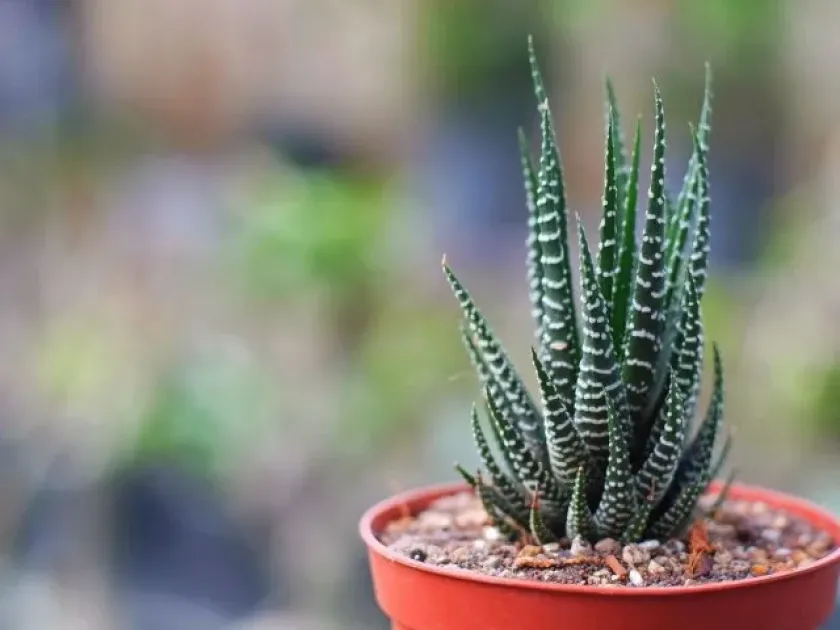
Description
Growing requirements
Haworthiopsis fasciata, a member of the Asphodelaceae family, is a slow-growing succulent native to the Eastern Cape province of South Africa. It is widely recognized for its rigid, dark green leaves featuring distinctive horizontal white tubercles that create a striped appearance.
Optimal growth requires bright, indirect sunlight to maintain the plant's structural integrity and characteristic leaf patterns. If the light intensity is too low, the plant will become etiolated and lose its compact, rosette shape, while extreme sun exposure may scorch the leaves.
Soil requirements focus on excellent drainage to mimic the plant's natural arid habitat. A professional substrate mix typically includes inorganic components such as pumice, perlite, and coarse sand combined with a minimal amount of organic potting soil to ensure roots remain aerated.
Watering regimes must be calibrated to the seasons, with thorough irrigation during the growing phase and significantly reduced moisture during the dormant winter period. It is essential to ensure that the substrate is completely dry before subsequent watering to prevent root system collapse.
In commercial production, propagation is carried out through offsets that develop at the base of the parent rosette. These are carefully removed and planted in a dry substrate to initiate rooting, a process that ensures genetic consistency and provides healthy clones for the market.
Main diseases and pests
Root rot is the most critical agricultural threat, often triggered by excessive water retention in the soil or poor ambient air circulation. Proper drainage management and the use of porous ceramic containers are the primary preventative measures against moisture-related damage.
Pests such as mealybugs and spider mites represent significant threats in indoor collections. These pests thrive in dry, warm conditions; therefore, maintaining optimal humidity levels and performing routine inspections are vital for protecting plant health.