
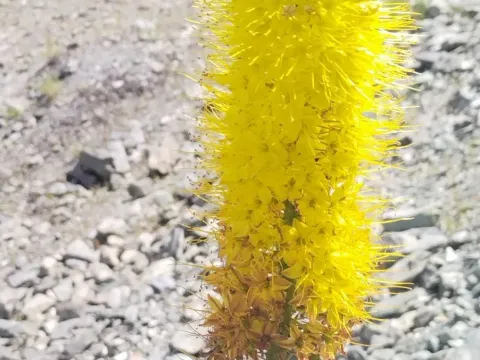
Eremurus stenophyllus
Eremurus stenophyllus
Eremurus stenophyllus is typically propagated via seeds sown in late autumn, allowing the cold winter period to naturally stratify the seeds. They are sown in well-draining soil at a depth of 2 centimeters to ensure successful germination in the following spring.
What the section contains
Eremurus stenophyllus
Vegetative propagation by division is also a common practice. This should be performed during the summer dormancy period, typically in August, when the foliage has died back completely and the plant is preparing for its rest phase.
When dividing the rhizomes, extreme caution must be exercised as the root system is extremely brittle. The root structure, often resembling a starfish, needs to be handled gently to prevent damage that could lead to subsequent decay.
Growth from seeds is a slow process, with plants often taking several years to reach maturity. Many enthusiasts opt for purchasing established rhizomes to ensure a quicker display of the characteristic tall, golden flower spikes.
Proper spacing is crucial when planting to allow for sufficient air circulation around the crowns. A distance of at least 40–50 centimeters between plants is recommended to prevent competition and facilitate maintenance.
Eremurus stenophyllus is a herbaceous perennial belonging to the Asphodelaceae family. Native to the mountainous regions of Central Asia, it is naturally adapted to harsh, dry climates and well-draining, stony soils.
The primary requirement for this crop is perfect drainage. The fleshy roots are highly susceptible to rot if left in waterlogged conditions, making elevated or sloped sites the ideal location for cultivation in a garden or nursery.
These plants thrive in full sun and require significant heat during the summer months to properly ripen their buds for the following year. A sunny, south-facing exposure is generally preferred to maximize the growth of the impressive flower scapes.
The soil should be fertile, light, and sandy, with a neutral to slightly alkaline pH. If the existing soil is heavy clay, it must be amended with grit, sand, or volcanic rock to improve permeability and aeration.
Regular fertilization is beneficial during the active growth phase in spring. A balanced fertilizer can be applied when the first shoots emerge, while a potassium-rich fertilizer during the budding stage helps strengthen the stem for the spectacular flowering display.
The most common threat to Eremurus stenophyllus is root rot caused by stagnant moisture. This condition is often fatal and can destroy the entire rhizome system, especially if the soil does not drain adequately during the winter months.
Pests such as wireworms and soil grubs can cause significant damage to the roots. Preventive measures, including the application of soil insecticides at the time of planting, are recommended if the area is known to have pest infestations.
Aphids can frequently target the succulent flower spikes and buds during the active growing season. Their feeding can distort the growth and hinder the overall beauty of the inflorescence, necessitating prompt action with contact insecticides.
Fungal diseases like rust can appear under high humidity conditions, causing lesions on the foliage. Maintaining good spacing and keeping the area free of excess debris are essential for reducing the risk of such infections.
Slugs and snails may occasionally attack the tender young shoots as they emerge in early spring. Protecting the emerging growth with biological barriers or slug bait is an effective strategy for preserving the health of the developing plant.