
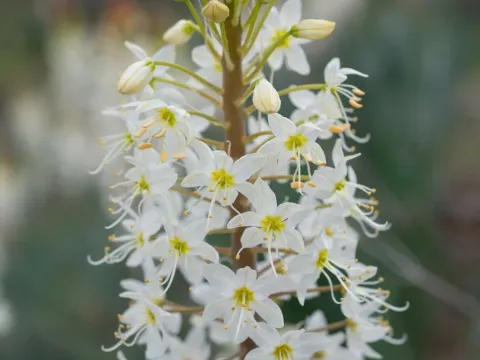
Eremurus lactiflorus
Eremurus lactiflorus
Eremurus lactiflorus is a member of the Asphodelaceae family, known for its tall, impressive flower spikes that serve as a focal point in ornamental gardening.
What the section contains
Eremurus lactiflorus
Propagation is typically done through seeds sown in autumn to allow for natural cold stratification, which is essential for uniform germination in the following spring.
Vegetative propagation involves dividing the root system after the foliage has withered completely in late summer when the plant enters its dormancy period.
When planting, it is crucial to handle the brittle root systems with extreme care, as any mechanical damage can lead to infections and plant decay.
Seed-grown plants require patience, as they often take several years to reach maturity and produce their characteristic tall inflorescences for the first time.
This species thrives in full sun exposure and requires well-draining soil to prevent the sensitive root tubers from rotting during the winter and early spring.
The soil should be nutrient-rich but permeable, with a pH level near neutral, ensuring that water drains quickly away from the crown of the plant.
During the active growth phase, moderate irrigation is beneficial, but water must be withheld entirely once the foliage dies back to allow the plant to rest.
Winter protection is recommended in colder climates, where a layer of mulch can help insulate the roots against extreme frost while keeping the soil dry.
Proper airflow is also essential to reduce the humidity around the leaves, preventing fungal issues that can arise in stagnant, overly moist garden environments.
Fungal pathogens such as Botrytis or various types of rot are the most frequent threats, usually triggered by improper moisture management in the soil.
Slugs and snails can cause significant damage to young shoots appearing in spring, requiring timely monitoring or the application of physical barriers.
Aphids are common pests that infest the flower stalks during the peak of the season, potentially spreading viral diseases that affect the vigor of the plant.
Soil-dwelling pests like wireworms may attack the fleshy roots, which can lead to a general decline in the plant's health and eventual collapse.
Preventative measures include maintaining soil hygiene, removing dead plant debris promptly, and applying preventive fungicides during the early leaf-emergence stage.