
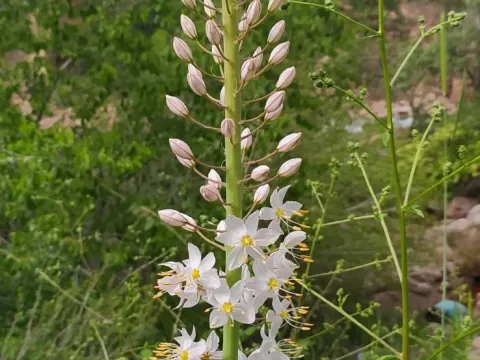
Eremurus robustus
Eremurus robustus
Eremurus robustus, commonly known as the giant foxtail lily, is a prominent member of the Asphodelaceae family, prized for its massive, showy flower spikes.
What the section contains
Eremurus robustus
The propagation of this species can be done through seeds, although it is a long-term process requiring patience from the gardener or farmer.
Seeds should be sown in the autumn, as they require a period of cold stratification during winter to break dormancy and germinate successfully in the spring.
Vegetative propagation is the preferred method for maintaining specific plant vigor, involving the careful division of the fleshy root systems after the foliage dies back.
When dividing, each segment must possess a part of the crown and healthy root tissues to ensure rapid establishment in the new planting location.
This species thrives in full sun exposure and requires an open location that receives direct light throughout the majority of the day to reach its full height.
Soil structure is critical; the medium must be light, well-draining, and rich in organic matter to prevent the succulent roots from rotting during dormant periods.
Protection from strong, gusty winds is essential because the tall, architectural stalks are susceptible to snapping without proper staking or sheltered positioning.
The plant requires a specific environmental cycle: a moist spring for active growth followed by a warm, dry summer to allow the roots to mature and rest.
In areas with high rainfall, gardeners often plant the roots on elevated ridges to ensure that excess water drains away from the crown of the plant.
Root rot, often caused by poor drainage or excessive soil moisture during the dormant phase, remains the most significant threat to the survival of the plant.
Fungal diseases, including rust, can manifest on the foliage during humid conditions, leading to aesthetic damage and a reduction in the overall vigor of the plant.
Pests such as aphids and thrips can colonize the developing flower buds, sucking plant juices and potentially transmitting viral infections across the population.
Slugs and snails can cause significant damage to emerging shoots in early spring, necessitating the use of barrier methods or biological controls.
Maintaining a clean garden environment and providing adequate air circulation around the base of the plant are vital for disease prevention strategies.
The primary use of Eremurus robustus is in high-end landscaping and as a specialty cut flower for professional floristry due to its dramatic height.
For floral arrangements, harvesting is conducted when the lower quarter of the flower spike is in bloom, ensuring optimal vase life and structural integrity.
Once the flowering period concludes and the foliage begins to wither, it is common practice to remove the dead stalks to encourage root energy storage.
If harvesting for bulb storage or division, plants should be carefully lifted from the soil after the summer heat has induced complete dormancy in the foliage.
Collected roots should be cleaned, inspected for damage, and stored in a cool, dry, and well-ventilated space until the next planting season begins.