
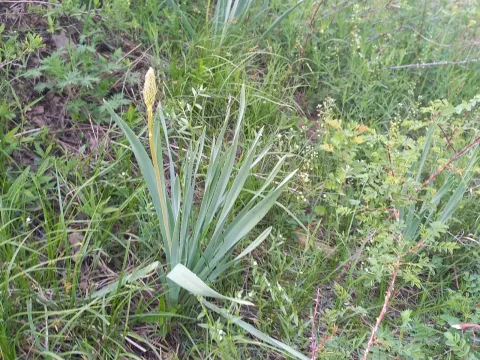
Eremurus fuscus
Eremurus fuscus
Seeds of Eremurus fuscus are typically sown in late autumn directly in the open ground or in containers. They require a period of natural stratification over the winter to ensure uniform germination in spring.
What the section contains
Eremurus fuscus
The substrate for container sowing should be sandy, light, and exceptionally well-draining. Seeds should be planted at a depth of about 1 to 1.5 centimeters to ensure the best germination environment.
Germination can be slow and irregular, which requires maintaining constant but moderate moisture levels. Over-watering must be strictly avoided to prevent the seeds from rotting before they sprout.
Once seedlings develop two or three true leaves, they can be transplanted to their permanent location or into larger containers. It is important to note that these plants develop slowly, often taking several years to bloom.
Vegetative propagation by division is the preferred method for maintaining specific characteristics and achieving faster results. This is done in late summer when the plant enters its dormant phase.
Eremurus fuscus is a perennial herb belonging to the Asphodelaceae family. It is native to the mountainous regions of Central Asia, making it well-adapted to environments with distinct dry and cold cycles.
The crop thrives in sunny locations protected from strong winds. Insufficient sunlight results in weak stems and a significant decline in the decorative quality of the flowering spikes.
Soils must have a neutral or slightly alkaline pH and excellent drainage. If the soil is too heavy, adding sand or gravel is essential to prevent water accumulation, which is the primary cause of root failure.
A dry summer dormant period is critical for the survival and health of the plant. During this phase, rainfall or irrigation should be minimized so that the storage roots can remain in a healthy, dormant state.
Moderate use of balanced fertilizers during the active growth period supports the development of lush, tall spikes. However, excessive nitrogen should be avoided as it weakens the plant and invites disease.
Fungal infections are the most common threat to Eremurus fuscus, especially when the drainage is inadequate. Root rot is particularly dangerous and can lead to rapid plant mortality in waterlogged soil.
Wireworms and beetle larvae are the most significant insect pests, as they feed on the fleshy, nutrient-rich root system. Thrips may also affect the flowering stems, reducing their aesthetic value.
Disease management relies primarily on cultural practices, such as ensuring proper soil drainage and aeration. Regular weeding and soil surface loosening help keep the root zone healthy and dry.
If rot is detected on the tubers, the infected tissue must be carefully excised and the wounds treated with fungicides or wood ash. This prevents the spread of pathogens to the healthy parts of the plant.
Preventive insecticidal treatments applied early in the growth cycle are effective in controlling pests before they cause substantial damage. Consistent monitoring is key to maintaining a healthy display.