
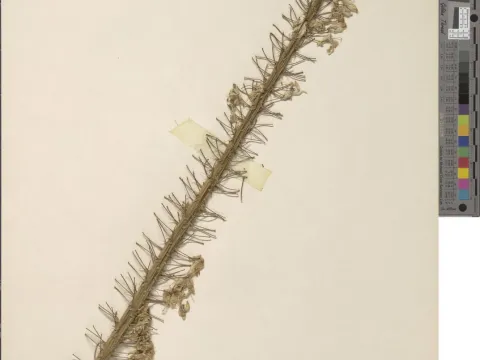
Eremurus elwesii
Eremurus elwesii
Eremurus elwesii is typically propagated through the division of its fleshy root system, a process ideally performed in late summer during the plant's dormant phase.
What the section contains
Eremurus elwesii
Seed propagation is a longer-term strategy that requires cold stratification to break seed dormancy and ensure successful germination in the following spring.
Seeds should be sown in well-draining soil mixtures, ensuring they are placed at a depth that protects them from drying out while allowing for temperature fluctuations.
Once established, the seedlings require several years of careful cultivation before they achieve the size and maturity necessary for producing their first flower spike.
Spacing is critical during planting; each plant requires sufficient room for its sprawling root system to expand without competing for nutrients with neighbors.
Belonging to the Asphodelaceae family, Eremurus elwesii is a striking perennial native to the arid and mountainous regions of Central Asia.
This crop thrives in full sun exposure, which is vital for the development of its tall, architectural flower spikes that define its ornamental character.
The ideal soil is porous and sandy, facilitating rapid drainage as the plant is highly susceptible to root rot if water remains stagnant around the crown.
Watering management is essential: the soil should be kept moderately moist during the spring growing period but must remain dry during the summer rest phase.
The plant is hardy, but in climates with severe winters, a light covering of organic mulch helps protect the crown from freezing temperatures and excess moisture.
Root rot, induced by waterlogged conditions or poor drainage, remains the most significant threat to the health and longevity of Eremurus elwesii.
Fungal leaf spot and rust are common in humid environments, which necessitates the removal of infected foliage to prevent the spread of spores to healthy plants.
Insect pests such as aphids and thrips can cause damage to tender floral buds, often requiring integrated pest management strategies to maintain plant vigor.
Slugs and snails pose a risk to young emerging shoots in the spring, making protective measures like physical barriers or bait necessary in vulnerable garden areas.
To reduce disease pressure, it is recommended to maintain optimal aeration in the planting area and to avoid overhead irrigation that keeps leaves wet for long periods.