
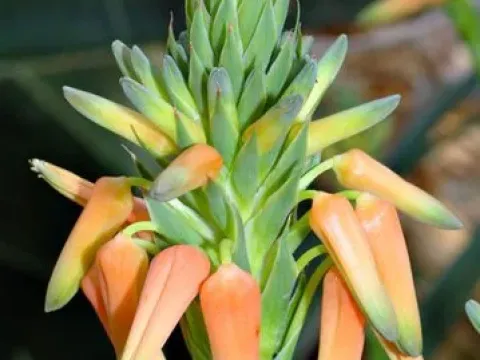
Aloe vossii
Aloe vossii
Aloe vossii is a perennial succulent species belonging to the Asphodelaceae family. Native to the rugged landscapes of South Africa, this plant has evolved to thrive in arid environments with high solar radiation.
What the section contains
Aloe vossii
The botanical structure of the plant features a dense, compact rosette of succulent leaves. These leaves act as vital water reservoirs, allowing the plant to sustain itself through prolonged periods of environmental stress.
Agronomic success with Aloe vossii depends heavily on soil composition. A gritty, well-draining substrate is mandatory, as the root system is highly susceptible to root rot when exposed to stagnant water or compacted soil.
Regarding light requirements, the plant demands bright, indirect sunlight or direct morning sun. Excessively harsh midday sun can lead to tissue chlorosis or burning, reducing the plant's ornamental and physiological value.
The temperature range for optimal growth should ideally mimic its natural habitat. During the active growing season, standard room temperatures are appropriate, whereas a cooler resting period during winter is essential for long-term health.
Root rot remains the most common and dangerous threat to Aloe vossii. It is almost exclusively caused by overwatering or the use of poorly drained, heavy soil that retains moisture for too long.
Mealybugs are the primary insect pests affecting these succulents. They typically inhabit the leaf axils, where they feed on sap and excrete honeydew, which can further encourage the growth of sooty mold.
Scale insects can also infest the leaves, appearing as small brown or black bumps. Their presence drains the plant's energy and creates entry points for secondary bacterial infections that target the leaf tissues.
Fungal leaf spot diseases may occur if the ventilation around the plant is insufficient. High humidity combined with poor airflow creates a microclimate that supports the proliferation of fungal spores on the leaves.
Effective pest and disease control includes regular inspections, isolating infected plants, and employing horticultural oils or systemic insecticides specifically approved for succulent greenhouse crops.