
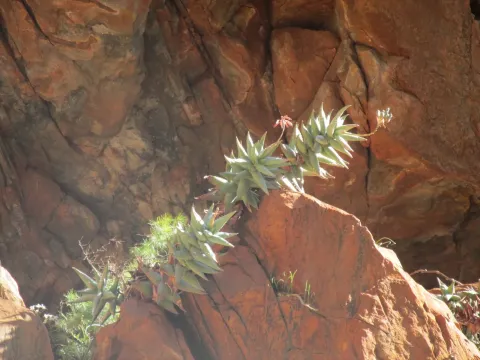
Aloe meyeri
Aloe meyeri
Aloe meyeri is a rare and distinct succulent species belonging to the Asphodelaceae family. Native to the harsh, rocky environments of South Africa, this plant has evolved unique physiological mechanisms to store water and survive in high-temperature regions with minimal rainfall.
What the section contains
Aloe meyeri
For cultivation, this species requires a location with bright, indirect sunlight for the majority of the day. Exposure to morning sun is beneficial for maintaining a compact shape, while intense midday sunlight should be filtered to prevent tissue damage on the leaves.
A fast-draining substrate is mandatory for the health of the root system. A professional-grade succulent mix, enriched with coarse sand, pumice, or expanded clay particles, ensures proper aeration and prevents the roots from sitting in excess moisture, which is the leading cause of loss for this species.
Watering management is the most critical aspect of the plant's agrotechnology. The "soak and dry" method is highly recommended: water thoroughly until the liquid runs out of the drainage holes, then wait until the potting medium is entirely dry before the next hydration cycle.
During the dormant season, which typically occurs in winter, the plant requires cooler temperatures ranging from 10 to 12 degrees Celsius. During this time, irrigation should be reduced to an absolute minimum to mimic the natural arid cycle of its habitat.
The primary concern for Aloe meyeri is root rot caused by poor soil drainage or excessive irrigation. Once the root system is compromised by dampness, the plant becomes susceptible to secondary bacterial infections that spread quickly through the succulent leaves.
Common indoor pests include mealybugs, which often hide in the crevices between leaves. If detected, they should be removed manually or treated with localized applications of neem oil or insecticidal soap, ensuring the foliage is kept dry afterwards to prevent fungus.
Spider mites can also be problematic if the ambient air remains dry for prolonged periods. Increasing air circulation around the plants can significantly reduce the risk of mite infestations and help keep the leaves free from dust and debris.
It is essential to monitor for scale insects, which appear as hard, brown spots on the leaf surface. These pests sap nutrients from the succulent, leading to stunted growth and yellowing of the leaves if left untreated over an extended duration.
To maintain a healthy specimen, avoid using heavy, nutrient-dense organic soils that retain moisture for too long. Proper horticultural hygiene, such as removing dead basal leaves and ensuring proper spacing between plants, is the most effective preventative measure against various diseases.