
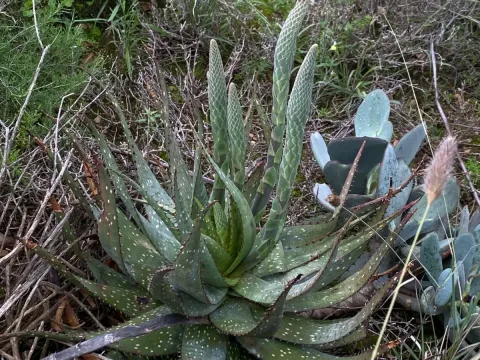
Aloe microstigma
Aloe microstigma
Aloe microstigma is a succulent species belonging to the Asphodelaceae family. This plant is native to the arid regions of South Africa, specifically the Cape Province, where it thrives in harsh, rocky environments.
What the section contains
Aloe microstigma
Botanically, it is characterized by its distinct rosette of succulent leaves, which are typically dotted with small, pale spots. This adaptation helps the plant manage light and reflect heat in its natural desert habitat.
For cultivation, the primary requirement is a porous, well-draining soil mix. A combination of grit, coarse sand, and perlite is essential to ensure that water does not remain around the root system for extended periods.
The climate requirements include high levels of solar radiation and warm temperatures. While it can withstand some variation, it is not frost-tolerant and must be protected from freezing conditions to prevent cell damage.
Watering practices should be strictly controlled, mimicking the erratic rainfall of its home range. During the growing season, a soak-and-dry method is recommended, followed by a dry dormant period in the cooler months.
Root rot remains the most significant threat to Aloe microstigma. It is almost exclusively caused by overwatering or soil mixes that retain too much moisture, leading to the rapid decay of the vascular system.
Mealybugs are common pests that tend to hide in the tight crevices between the leaves. If left untreated, they can lead to severe stunting and discoloration of the succulent foliage.
Scale insects are another potential pest that attaches firmly to the leaves. They are difficult to remove due to their protective shells, often requiring systemic insecticides or careful manual removal with alcohol.
Poor airflow increases the susceptibility to various fungal infections, particularly during high-humidity periods. Ensuring that the plant has adequate ventilation around its leaves is a fundamental aspect of good maintenance.
Fungal leaf spots can occur if water remains on the leaf surface for too long. To mitigate this, watering should always be directed at the base of the plant, avoiding the foliage entirely.