
Aloe obscura
Aloe obscura
Description
Growing requirements
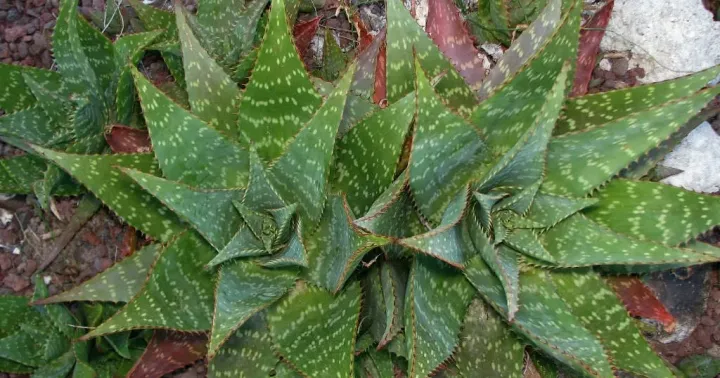
Aloe obscura is a perennial succulent species belonging to the Asphodelaceae family. Native to the arid landscapes of Southern Africa, this plant has evolved unique morphological features, such as spotted foliage and a compact rosette structure, to minimize moisture loss and survive in harsh environments.
Cultivation of this species requires a high-light environment. While it tolerates partial shade, direct sunlight is essential for maintaining the characteristic markings and robust growth of the leaves. High light levels stimulate the plant's metabolic processes and contribute to its healthy development.
The substrate must be highly porous and inorganic. A mixture consisting of coarse sand, perlite, and a small amount of peat or loam is recommended to ensure rapid drainage. A waterlogged soil will inevitably lead to root hypoxia and subsequent death of the specimen.
Climate requirements include protection from frost, as the high water content within the leaves makes the plant extremely vulnerable to freezing temperatures. Optimal temperatures for active growth range from 20 to 25 degrees Celsius, with a dry, cooler period during the winter months.
In terms of agricultural use, Aloe obscura is primarily valued as an ornamental crop. It is highly sought after by succulent enthusiasts for its unique aesthetic, architectural qualities, and relative ease of maintenance, making it a perfect candidate for xeriscaping and dry climate garden projects.
Main diseases and pests
Root rot is the most significant threat to the health of Aloe obscura. It is predominantly caused by overwatering or the use of poorly draining soil mixtures. Once the root system is compromised, the plant often collapses rapidly unless interventions are taken.
Mealybugs are common pests that infest the crown and leaf axils. These small insects feed on plant sap and can severely weaken the succulent. Regular visual inspections are necessary to detect these pests early before they spread across the entire collection.
Spider mites may affect the plant during periods of low ambient humidity. Their activity results in discolored, stippled patches on the leaves, which detract from the plant's aesthetic value. Maintaining proper ventilation and airflow around the plant can deter these infestations.
To manage threats effectively, one should employ a preventative strategy that focuses on hygiene and proper cultivation. Avoiding water accumulation in the center of the leaf rosette is a vital practice to prevent fungal pathogen proliferation.
Biological and chemical control measures should be used cautiously, as succulents can be sensitive to certain solvents. When applying pesticides, ensure that the treatment is suitable for succulent species to avoid damaging the delicate waxy cuticle of the leaves.