
Aloe mubendiensis
Aloe mubendiensis
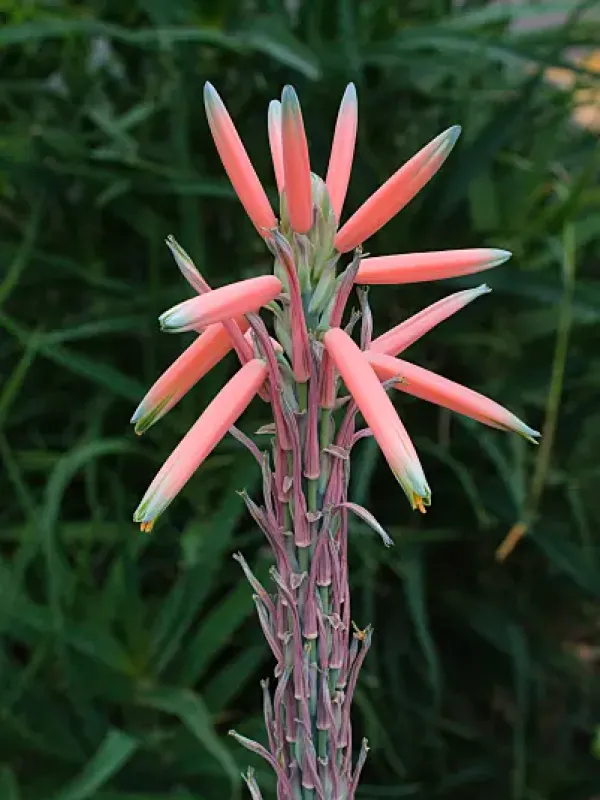
Description
Growing requirements
Aloe mubendiensis is a perennial succulent plant belonging to the Asphodelaceae family. Native to East Africa, particularly Uganda, this species is well-adapted to rocky habitats and savanna ecosystems, demonstrating significant resilience in nutrient-poor and dry environments.
The plant is defined by its fleshy, moisture-storing leaves arranged in a distinct rosette pattern. These botanical features allow the specimen to efficiently regulate its internal water balance, making it a highly specialized plant adapted for survival in high-temperature and low-precipitation regions.
Regarding soil requirements, the culture demands excellent drainage and aeration. A substrate consisting of sandy loam or specialized cactus mix is ideal to prevent root rot, as the root system of this species is highly sensitive to moisture saturation and requires periodic drying cycles.
Climatic requirements focus on full sun exposure and warm temperatures. In agricultural settings, it is essential to ensure that the plant receives consistent light throughout the growing season to maintain its structural integrity and prevent etiolation of the leaves.
The primary agricultural and economic use of Aloe mubendiensis involves its role in ornamental horticulture. It is highly valued for landscaping in arid regions and as an indoor specimen, contributing to biodiversity in botanical collections and sustainable greenhouse farming practices.
Main diseases and pests
Common threats to this species include physiological disorders caused by poor agricultural practices, such as overwatering and inadequate sunlight. These conditions frequently result in fungal infections, primarily root and crown rot, which can be devastating if left untreated.
Pests such as mealybugs, scale insects, and spider mites pose a constant threat to plant health, particularly in greenhouse environments. Integrated pest management, including regular sanitation and environmental control, is necessary to prevent significant damage to the plant tissue.