
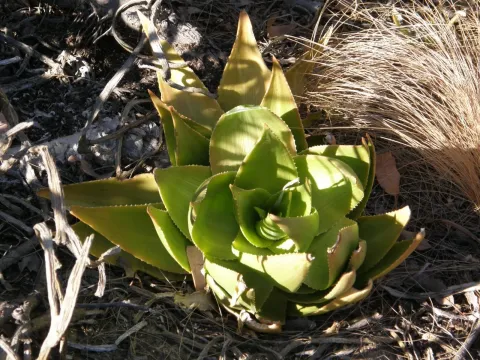
Aloe deltoideodonta
Aloe deltoideodonta
Aloe deltoideodonta is a perennial succulent belonging to the Asphodelaceae family, native to the central and southern regions of Madagascar. This species has evolved to thrive in arid environments, typically found in rocky or sandy substrates where water drainage is exceptionally efficient.
What the section contains
Aloe deltoideodonta
In terms of cultivation, the plant requires a highly porous soil mix. A mixture consisting of coarse sand, pumice, and a small portion of loamy soil is ideal. Proper drainage is the most critical factor in prevent root rot, which is the primary cause of mortality in cultivated succulent specimens.
The cultural requirements demand bright, indirect sunlight or direct morning sun to maintain the plant's health and coloration. In low-light environments, Aloe deltoideodonta will exhibit etiolation, where the leaves stretch and lose their characteristic compact rosette shape and patterned pigmentation.
Temperature management is crucial for the overall vigor of the plant. During the active growing season, it prefers temperatures between 20°C and 28°C. During the winter dormancy period, the temperature should be kept cool, ideally around 10°C to 15°C, to ensure the plant enters a restful state.
The botanical structure of the plant features fleshy, triangular leaves arranged in a rosette, often characterized by distinct, tooth-like serrations along the margins. These adaptations allow the plant to store significant quantities of water, ensuring survival during prolonged dry spells in its native habitat.
Root rot caused by Oomycetes and various fungi remains the most significant threat to the health of the plant. This condition is almost exclusively associated with overwatering and insufficient soil aeration, which prevents the roots from accessing necessary oxygen.
Mealybugs are the most common pests that infest this succulent. They tend to hide deep within the crevices of the leaf rosettes, making them difficult to detect until the plant starts showing signs of stunted growth or chlorosis due to the loss of sap.
Effective pest control involves the use of systemic insecticides or manual removal with isopropyl alcohol applied with cotton swabs. Regular monitoring of the leaf bases is necessary to catch potential infestations before they escalate and spread to other plants in the collection.
Preventative measures against diseases focus on strict adherence to the drying cycle of the substrate. Watering should only be conducted when the soil is completely dry throughout the entire depth of the pot, preventing the development of anaerobic conditions that favor pathogen growth.
Maintaining a clean growing environment by removing dead foliage and debris is essential for minimizing the risk of fungal infections. Providing adequate airflow around the plant canopy also contributes significantly to maintaining a disease-free condition for this resilient species.