
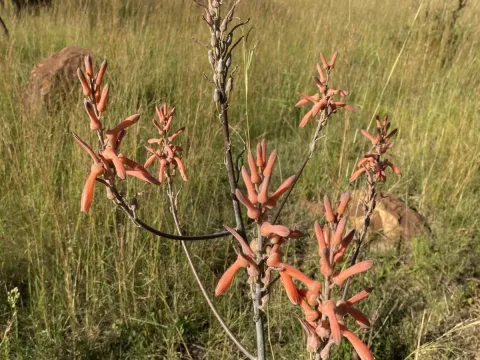
Aloe dewetii
Aloe dewetii
Aloe dewetii is a perennial succulent species belonging to the Asphodelaceae family. It is native to the rocky landscapes and savanna slopes of South Africa, where it has adapted to harsh environmental conditions.
What the section contains
Aloe dewetii
The plant thrives in well-draining, sandy or gritty soils. In an agricultural or horticultural setting, excellent drainage is the most critical factor, as stagnant water will inevitably lead to root rot.
This species requires high light intensity to maintain its characteristic compact form and leaf coloration. If grown indoors or in temperate climates, it must be kept in a greenhouse or bright sunroom, as it is not frost-tolerant.
Watering should be sparse and controlled, especially during the dormant winter period. Allowing the soil to dry out completely between waterings is essential to mimic the plant's natural arid habitat.
Optimal growth occurs at temperatures between +18 and +28 degrees Celsius. Humidity should be kept low, as the plant is highly susceptible to fungal infections in damp or stagnant air conditions.
The primary use of Aloe dewetii is ornamental. It is highly valued by collectors of succulents and xerophytic plants for its distinct appearance and resilience in arid-style landscapes.
Propagation is typically achieved by harvesting the offsets or "pups" that grow around the base of the mother plant. This should be done during the spring months to ensure rapid root development in the new substrate.
Proper harvesting techniques involve using a sharp, sterilized blade to separate the offset. The cut surface must be allowed to callous over for several days before planting to prevent rot.
There is no widespread commercial harvest of this species for medicinal or cosmetic purposes, as its growth rate is significantly slower compared to more common Aloe varieties used in industry.
The plant requires minimal maintenance, with occasional pruning of dead or damaged outer leaves. Careful handling is necessary to preserve the waxy cuticle of the leaves, which protects the plant from dehydration.
Fungal pathogens and root rot are the primary threats to Aloe dewetii. These issues are almost exclusively caused by overwatering or using soil mixes that retain too much moisture for prolonged periods.
Common succulent pests such as mealybugs and spider mites frequently target the plant. They tend to cluster in the crevices between leaves, making them difficult to detect during early infestation stages.
Prevention relies on maintaining strict watering cycles and ensuring adequate airflow around the plants. Regular monitoring of the foliage and the base of the plant is vital for early intervention.
If pests are identified, localized treatment with organic or chemical insecticides suitable for succulents is required. Avoid applying heavy oils or sprays that may damage the protective coating on the leaves.
Environmental stress, such as sudden exposure to intense sunlight after a dark winter, can cause leaf scorch. Gradual acclimation is recommended to keep the plant healthy and aesthetically pleasing.