
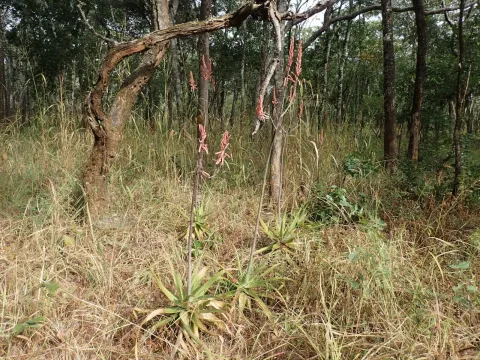
Aloe christianii
Aloe christianii
Aloe christianii is a succulent perennial plant belonging to the Asphodelaceae family. It is native to the tropical landscapes of East and Southern Africa, including countries such as Tanzania, Zambia, and Zimbabwe, where it thrives in diverse open forest environments.
What the section contains
Aloe christianii
The plant is characterized by a dense rosette of lanceolate leaves armed with small teeth along the margins. These leaves are thick and fleshy, specifically adapted to store moisture efficiently, allowing the plant to survive in environments with unpredictable rainfall.
Regarding climate requirements, this species demands high light intensity to maintain its structural integrity and health. It is highly sensitive to cold conditions, preferring temperatures that stay within a warm, tropical range, and it does not tolerate frost under any circumstances.
The soil for cultivation must be exceptionally well-draining, typically consisting of a mix of coarse sand, perlite, and a small portion of organic matter. Proper aeration of the root system is the most critical factor in preventing physiological stress and root death.
In terms of хозяйственное (economic) utility, Aloe christianii is primarily valued for its ornamental appeal in botanical gardens and private succulent collections. While not as commercially widespread as other aloe species, its unique aesthetic makes it a sought-after subject for horticulture.
The most significant threat to the health of the plant is fungal rot, usually triggered by stagnant water in the substrate or excessive humidity. Ensuring proper air circulation around the rosette is essential to mitigate this risk in greenhouse environments.
Pests commonly associated with this species include mealybugs and aphids, which often hide in the crevices of the leaves. Maintaining a strict sanitation program and utilizing targeted insecticidal soap or biological control methods effectively manages these threats in a controlled environment.