
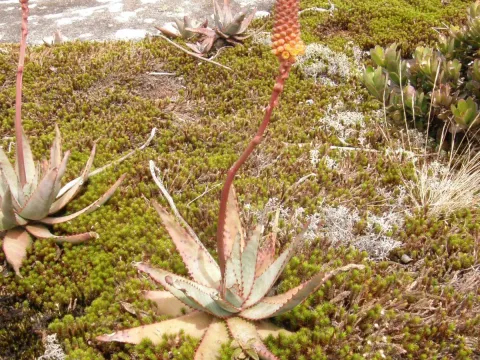
Aloe conifera
Aloe conifera
Aloe conifera belongs to the Asphodelaceae family. This is a rare species of succulent plant endemic to the island of Madagascar, which prefers rocky slopes and open, sun-exposed areas.
What the section contains
Aloe conifera
The plant features a distinctive cone-shaped rosette of leaves, which gave the species its name. The leaves have a glaucous-green color and are covered with small marginal spines, an adaptation that helps the plant retain moisture in harsh environments.
Successful cultivation requires well-draining soil that closely mimics natural rocky substrates. In container culture, it is recommended to use a mix of loam, coarse sand, and perlite to ensure optimal aeration.
This culture is highly light-demanding and requires bright, direct sunlight for at least 6–8 hours a day. If light is insufficient, the rosette will stretch, losing its attractive conical shape and natural compactness.
The temperature regime should be moderately warm in the summer and cooler during the winter dormant period. It is crucial to avoid water stagnation in the soil, as the root system of this species is highly sensitive to rot at low temperatures.
The primary threat to this species is fungal disease caused by improper agricultural practices and waterlogged substrate. Root and stem rot are the most common causes of plant mortality in this genus.
Regarding pests, mealybugs and spider mites are the most frequent parasites on aloe. These insects feed on the plant's cell sap, leading to leaf deformation and the gradual wilting of the specimen.
To prevent pest infestation, it is necessary to maintain optimal air humidity and regularly inspect the leaf axils, where insects tend to hide and establish colonies.
If pests are detected, the use of systemic insecticides is recommended. However, for succulents, it is important to select products with minimal phytotoxicity to avoid damaging the delicate leaf epidermis.
Adhering to quarantine protocols when acquiring new plants is a mandatory condition for protecting the collection. Isolating new specimens for 2–3 weeks allows for the timely detection of hidden infections or pest invasions.