
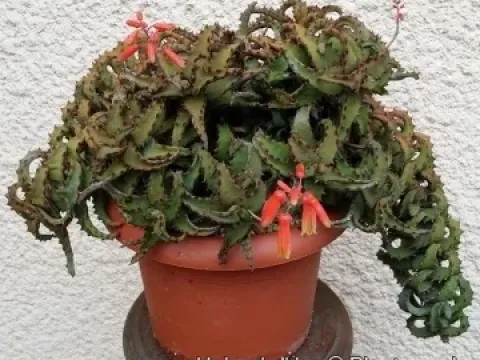
Aloe castilloniae
Aloe castilloniae
Aloe castilloniae is a distinct succulent species belonging to the Asphodelaceae family. Native to the southwestern regions of Madagascar, this plant has adapted to survive in harsh, arid, and rocky environments.
What the section contains
Aloe castilloniae
The botanical structure of the plant features small, densely branched stems covered with triangular leaves that are edged with white teeth. Its compact and clumping growth habit makes it a highly sought-after species for succulent enthusiasts.
In terms of climate requirements, this species prefers bright, indirect sunlight to thrive. While it is accustomed to strong light, intense noon exposure can stress the foliage and cause severe leaf scorching.
Soil composition is critical for this species. A highly porous and well-draining potting medium, such as a specialized mix of pumice, coarse sand, and a small amount of organic substrate, is highly recommended for healthy growth.
Watering must be approached with caution, following a strict "dry-to-dry" cycle. During the growing season, water only when the potting mix is thoroughly dry, and significantly reduce watering during the winter dormant phase.
Root rot remains the most significant threat to Aloe castilloniae. It is primarily caused by excessive moisture retention in the soil, which prevents the roots from accessing necessary oxygen.
Pests such as mealybugs and spider mites are frequent visitors to this plant, especially in stagnant air conditions. These insects thrive in small crevices between the leaves, draining the plant's essential nutrients.
Regular maintenance involves inspecting the plant's leaf axils for signs of pest activity. If an infestation is identified, mild insecticidal soaps or specific succulent-safe treatments are required to manage the issue.
Fungal infections can also emerge if humidity levels are consistently high without adequate ventilation. Keeping the plant in an area with good airflow helps maintain healthy and resilient foliage.
Over-fertilization can weaken the natural defense systems of the plant, leading to soft growth that is more prone to environmental stress. Always apply balanced, diluted fertilizers sparingly during the active growth period.