
Aloe castanea
Aloe castanea
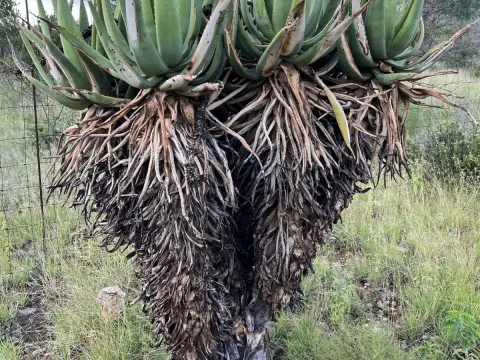
Aloe castanea is a member of the Asphodelaceae family. It is a striking tree-like succulent that can grow up to 4 meters tall in its natural habitat, characterized by its robust trunk and dense rosettes of fleshy, sword-shaped leaves.
What the section contains
Aloe castanea
Native to Southern Africa, particularly the Transvaal region, this species has evolved to thrive in arid and semi-arid environments. It typically inhabits rocky slopes and open areas exposed to intense sunlight.
The plant requires well-drained, sandy soil with a neutral to slightly acidic pH to prevent waterlogging. Providing an appropriate gritty substrate is the most critical factor for maintaining healthy root systems in cultivation.
It demands full sun exposure and is highly adapted to high temperatures. During winter, it requires a dry dormancy period with temperatures around +10...+12°C to ensure future flowering and healthy growth cycles.
In terms of usage, Aloe castanea is prized for its unique chestnut-colored inflorescences and structural aesthetic in xeric garden designs. It serves as an excellent specimen plant for xeriscaping in Mediterranean or desert-like climates.
Common pests include mealybugs and spider mites, which can proliferate quickly in indoor environments with low humidity. Regular inspections of leaf axils are recommended to identify infestations early.
The most severe threat to this species is root rot caused by excessive moisture. Ensuring the soil dries out completely between waterings is essential to keep the plant vigorous and disease-free.
Insufficient light is a common issue that causes the plant to become etiolated or stretched. This structural weakness often invites further stress and makes the succulent susceptible to secondary pests.
Fungal spot diseases may occur in conditions with poor air circulation and high humidity. Improving airflow around the foliage can significantly reduce the risk of developing these persistent infections.
Preventive maintenance involves using sterile cutting tools and removing dead leaves at the base to ensure good airflow. In case of localized infection, surgical removal of the affected tissue followed by sulfur dusting is advised.