
Aloe confusa
Aloe confusa
Aloe confusa is a perennial succulent plant belonging to the Asphodelaceae family. This species originates from the rocky habitats of Tanzania and Kenya, where it has evolved to thrive in nutrient-poor soils and semi-arid conditions at varying altitudes.
What the section contains
Aloe confusa
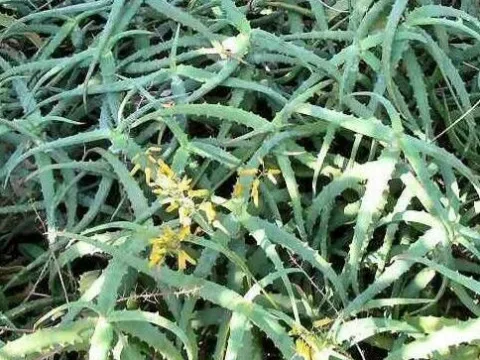
Botanically, this plant is characterized by its succulent leaves arranged in rosettes, often producing stems as it matures. The plant is prized for its aesthetic form and its ability to produce tubular, orange-colored flowers, which typically emerge on elongated stalks during the blooming season.
Cultivation requirements for Aloe confusa emphasize the need for excellent drainage. The soil medium must be highly porous, typically composed of a mixture of coarse sand, perlite, and fine gravel, to prevent moisture retention that could be lethal to the root system.
Regarding climate, the plant requires bright, indirect to direct sunlight to maintain its structural integrity and color. It is highly sensitive to cold and should be protected from temperatures below 10 degrees Celsius, as frost can cause irreversible cellular damage.
The agronomic maintenance of this plant involves a strict watering regimen. During the active growth phase, watering should be thorough but infrequent, ensuring the substrate dries out completely between applications. During the winter dormancy period, watering should be significantly reduced.
The primary threats to Aloe confusa are fungal infections triggered by overwatering or inadequate ventilation. Root rot and collar rot are the most common issues that occur when the growing medium remains damp for extended periods.
Pest management should focus on monitoring for common succulent invaders such as mealybugs, aphids, and scale insects. These pests feed on the plant sap and, if left unchecked, can lead to severe weakening of the succulent and the transmission of viral diseases.