
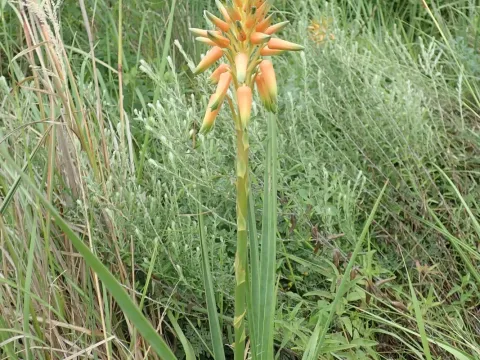
Aloe cooperi
Aloe cooperi
Aloe cooperi is a distinctive grass-like succulent belonging to the Asphodelaceae family. Unlike the well-known tree-like species of the genus, this plant features narrow, channelled leaves that often display decorative white spots near the base, making it a prized specimen for collectors.
What the section contains
Aloe cooperi
The species originates from the eastern regions of South Africa, where it thrives in open grasslands. Its natural habitat suggests that it is better adapted to areas with regular seasonal rainfall compared to many of its arid-dwelling cousins, requiring consistent water during the growing phase.
To cultivate Aloe cooperi successfully, one must provide a highly porous and well-draining soil mix. A combination of gritty sand, perlite, and organic matter is ideal, as it prevents the root rot that often plagues succulent species grown in overly dense or peat-heavy soils.
Light requirements are significant; this plant thrives in full sun to partial shade. Ensuring adequate light prevents the foliage from becoming leggy and maintains the structural integrity and healthy green coloration of the leaves throughout the active growth season.
Regarding climate, the plant prefers moderate temperatures and is not considered frost-hardy. In regions with freezing winters, cultivators must provide protection or move the plants indoors to a frost-free location to prevent cellular damage caused by extreme cold.
The primary threat to the health of Aloe cooperi is the mismanagement of moisture. Overwatering creates an anaerobic environment in the root zone, which facilitates the growth of pathogenic fungi and causes irreversible root and stem rot.
Mealybugs are the most common pest associated with this species. They tend to hide in the tight crevices where leaves attach to the base, making them difficult to detect until a significant infestation has developed and the plant starts to show signs of stress.
Spider mites can also be problematic, especially in low-humidity environments. These pests suck the sap from the leaves, leaving behind stippling and discolored patches that diminish the aesthetic value and health of the plant over time.
Implementing a strict hygiene routine in the greenhouse is essential for disease prevention. This includes the regular removal of debris from the soil surface and the application of systemic pesticides or horticultural soaps as a preventative measure against recurring pest attacks.
Proper airflow is a critical component of disease control for this aloe. Stagnant air promotes the growth of powdery mildew and other fungal pathogens; therefore, ensuring good ventilation can significantly decrease the need for chemical interventions throughout the growing year.