
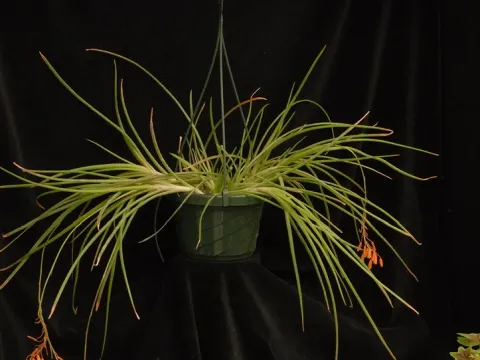
Aloe ballii
Aloe ballii
Aloe ballii is a distinct species of succulent belonging to the Asphodelaceae family. It is native to the eastern highlands of Zimbabwe, where it grows in rocky crevices and on steep slopes, making it naturally adapted to survival in harsh, mineral-rich environments.
What the section contains
Aloe ballii
Botanically, this species is defined by its small, compact rosettes of narrow, fleshy leaves. These leaves act as water storage organs, allowing the plant to thrive in regions where rainfall is erratic and intermittent during the growing season.
The cultivation of this plant requires a specialized gritty substrate. Growers must prioritize drainage above all else, using mineral-based potting mixes containing pumice, coarse sand, or perlite to prevent the roots from sitting in stagnant moisture.
Regarding light, Aloe ballii performs best in bright, indirect light. While it is accustomed to harsh conditions, extreme direct sunlight can cause the leaves to develop reddish or bronze stress coloration, which, while aesthetically pleasing to some, indicates the plant is reaching its light limit.
Temperature management is crucial for the health of Aloe ballii. It requires a distinct warm season for growth and a cooler, dry winter rest period. Maintaining these cycles mimics its natural environment and prevents physiological stress during the dormant months.
Root rot is the most significant threat to Aloe ballii, often resulting from overwatering or poorly draining soil. Once rot sets in, the fleshy core of the rosette quickly becomes necrotic, making recovery very difficult for the plant.
Mealybugs are the most common pests affecting this species. They hide deep within the crevices of the leaves, where they are protected by their waxy secretions, making manual removal or specific systemic treatments necessary.
Scale insects can also infest the leaves, attaching themselves firmly to the surface to feed on plant sap. These pests are often overlooked until a significant population has developed, leading to stunted plant growth.
Poor ventilation is a secondary threat that facilitates the growth of fungal pathogens. Ensuring consistent airflow around the plant helps keep the foliage dry and minimizes the risk of leaf spotting and mold infections.
Effective management of these threats involves constant monitoring and the use of targeted treatments. Avoid using heavy horticultural oils, as they can sometimes damage the delicate surface texture of Aloe species.